The Gift Card Journey Doesn't End at Redemption
The Gift Card Journey Doesn't End at Redemption
The Gift Card Journey Doesn't End at Redemption
Imagine a customer walking into your shopping centre with a €50 gift card.
They may have never visited before. They may not be a member of your loyalty programme. You may know almost nothing about them. They redeem the gift card.
For many businesses, that's the end of the story. The balance is deducted. The transaction is recorded. The gift card has done its job. But from a customer relationship perspective, this could be the beginning.
From transaction to customer
The person redeeming the gift card might discover a store they have never visited before. They might spend more than the value of the card. They might sign up for your loyalty programme. They might return a few weeks later. And if the systems behind the experience are connected, the business can potentially understand much more about what happened along the way. This is where the traditional gift card journey:
BUY → GIVE → REDEEM
can become:
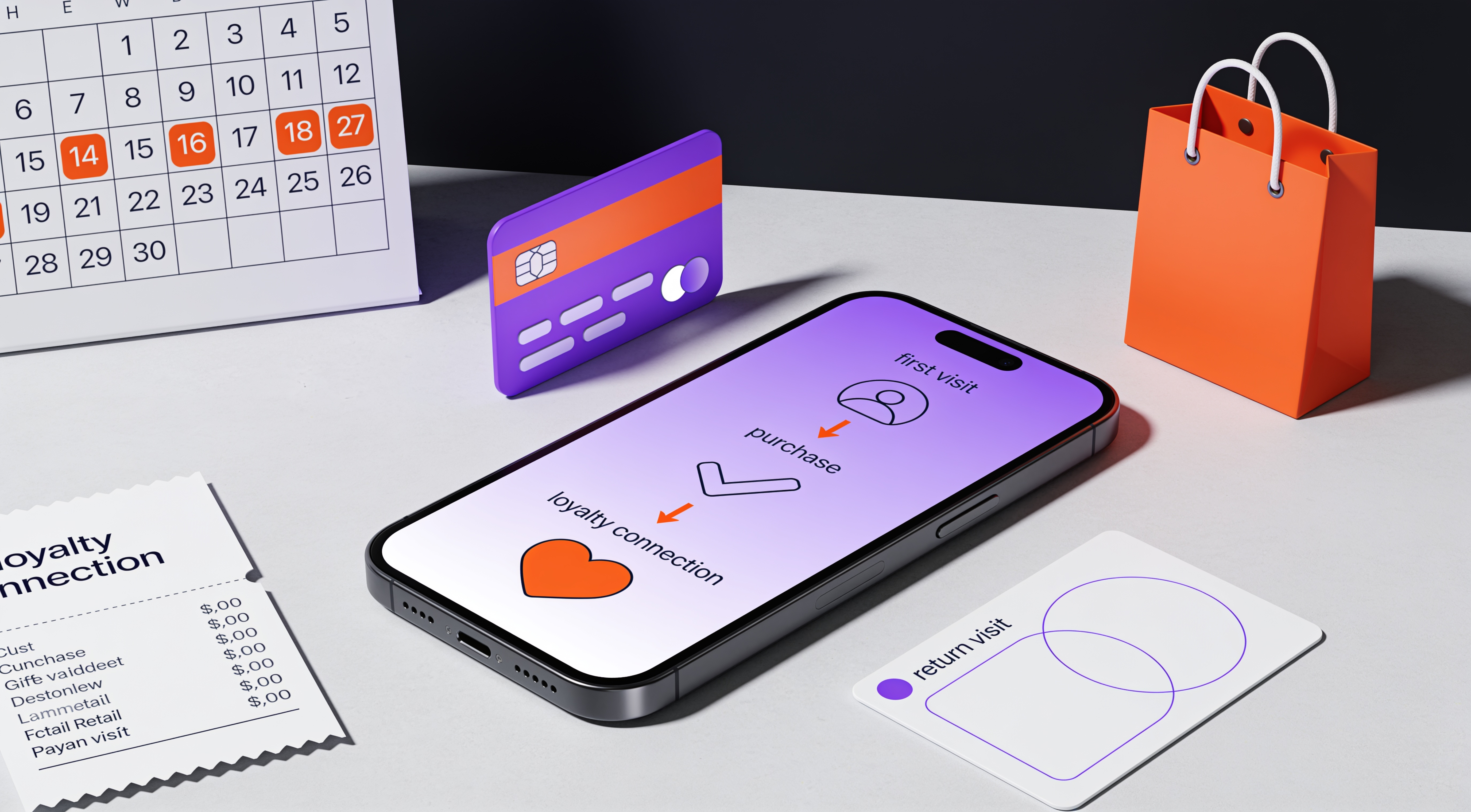
BUY → GIVE → REDEEM → ENGAGE → RETURN
The difference is not the gift card itself. The difference is what happens around it.
The recipient might be your next customer
One of the most interesting things about gift cards is that the person who buys the card and the person who uses it are often different.
That means every gift card can potentially introduce your business to someone new. A recipient might be visiting your shopping centre for the first time because someone gave them a gift. That first visit is valuable. But the real opportunity is creating a reason for that customer to come back. This could mean connecting the redemption with a loyalty programme, offering relevant benefits, or triggering a personalised communication after the visit. Not another generic promotional email. Something that makes sense because of what the customer has actually done.
Data makes the journey more interesting
A modern gift card system can provide more than information about whether a card has been used. Depending on the setup, businesses can work with information such as:
- when a card was purchased
- when and where it was redeemed
- how much was redeemed
- whether the customer is connected to a loyalty profile
- what happens after redemption
- whether the customer returns
Individually, each piece of information is useful. Connected together, they can help create a much clearer picture of the customer journey. And this is where marketing automation becomes particularly interesting. A redemption can become a trigger. A loyalty interaction can become a trigger. A period of inactivity can become a trigger.
Instead of sending the same message to everyone, businesses can react to what customers actually do.
The gift card is only the beginning
The goal isn't to automate every possible interaction. It's to make the next interaction more relevant. A gift card creates an opportunity to bring someone through the door. Loyalty can give you a reason to stay connected. Customer data can provide context. And marketing automation can help turn that context into action.
So the next time you look at your gift card numbers, don't only ask:
How many gift cards did we sell?
Also ask:
What happened after they were redeemed?
That question might reveal much more value than the original transaction.