Holistic Design & Co-Creation: A New Lens for the Evolving Retail Landscape
The decline of traditional retail
In the old days, almost 80% of our retail sales took place in malls, and they have become a symbol of consumerism and physical retail hubs over the years. But times are changing.
Alongside the consumers’ increasing demand for authentic and memorable experiences, the first-generation digital natives, more consumers shop online than ever before, and foot traffic to traditional malls has sharply decreased in recent years. If landlords and retailers want to keep customers, especially the young generations, coming back over the next decade, reinvention is essential.
The conventional hospitality-style retail environment, defined by exclusivity, prestige, and distance, no longer fits the expectations of today’s consumers, who prioritize personalization, interaction, and lifestyle resonance.
Generation Alpha is shaping the New Retail
Generation Alpha spent their childhoods during the fastest sustained expansion of a major economy in history and are consequently used to rapid improvements in their standard of living. They are also the first generation of digital natives, who are instinctively familiar with technology as a form of communication and entertainment, and they are driving over 50% of the sales growth.
It’s not surprising to see that some well-performing brands have already adjusted their strategies to reflect the growing importance of youth fashion consumers.
Generation Alpha are free spenders: optimistic, impulsive, and tends to “buy products on the go”.
Generation Alpha are individualistic and want to have more control: hence the growth in demand for personalization of products. To the new generation retail means self-expression: forward-thinking and tend to speak for themselves. Luxury means something that enhances their quality of life.
The new retail is not defined by the brands themselves, but instead by the curated lifestyle they help to create. In fact, if the element of experience is not elevated, the store will become almost irrelevant. Future shopping malls should be designed as diversified platforms for the brands to tell their story, to connect and co-create with their customers, to foster a community that can appreciate the value of the brands. The retail environment should no longer be designed as hotel lobbies, but as an experience to make customers feel engaged. Our role is to break through the traditional framework of shopping environment and to enhance the flexibility of public spaces for any formats of transformation.
The people-centric approach in Retail Experience
Smart city development and big data are reshaping the way brands engage with consumers. Retail is shifting toward becoming community hubs and discovery zones that create emotional connections rather than simply selling products.
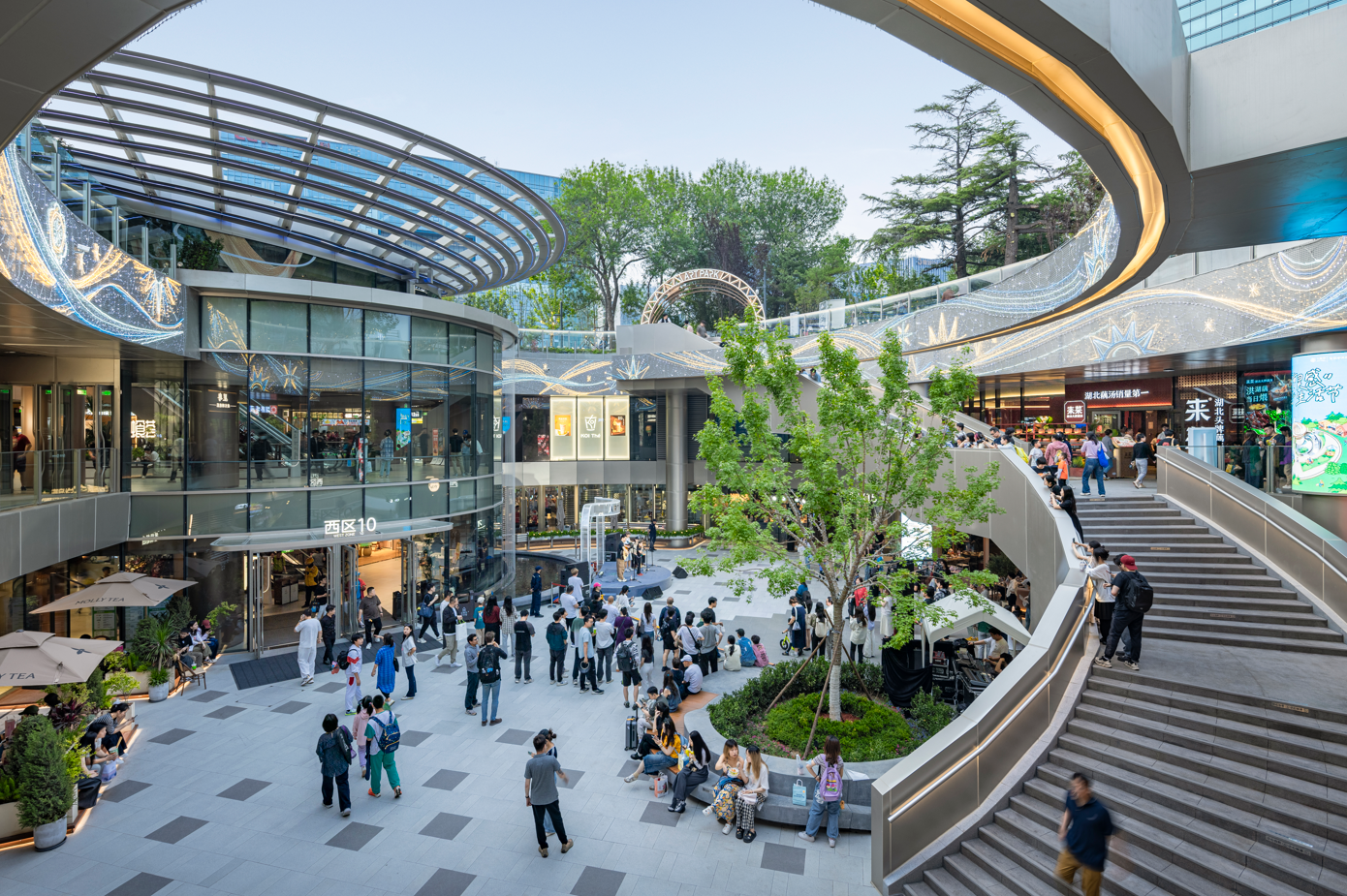
For CAN, commercial design is more than building a retail environment—it is about crafting a welcoming public realm, one that functions as both a commercial centre and an urban park. This vision led to the introduction of large-scale outdoor commercial street networks designed for openness, vibrancy, and natural ventilation. We also explored how commercial redevelopment can activate areas with symbolic value, unlocking their spatial potential and enhancing the overall significance of the site.
Developers like SHK and Hongkong Land are already investing in hybrid spaces that embrace these people-centric strategies. CAN has recently delivered a leading premium lifestyle retail centre, JLC in Nanjing. As a city where heritage and innovation intersect, the project aims to create a new multi-purpose destination for luxury, fashion, gastronomy, and cultural experiences. In JLC, we introduced the concept of the “Eight Views of Jingling as the narrative foundation. The goal was to create a meaningful connection between Nanjing culture and spatial programming.
"Retail spaces must evolve from static properties into adaptive ecosystems."
Co-creation as a design methodology
Our design philosophy can be distilled into a core idea: design is problem-solving. Every design must begin with boldness and innovation but must also respond to practical realities—addressing the needs of the client while integrating input from the broader consultant team.
This is where co-creation becomes essential. Success depends on whether clients are willing to engage in a collaborative process. Designers must not only respond to briefs, but also provide insight, challenge assumptions, and help shape a vision that is both expressive and enduring.
As designers, storytelling is not merely a point of departure in our conversations with clients, it becomes truly meaningful when it is deeply developed and translated into an architectural language that takes form within the built environment.
Stephen Chow
Connect with meMore About the Author
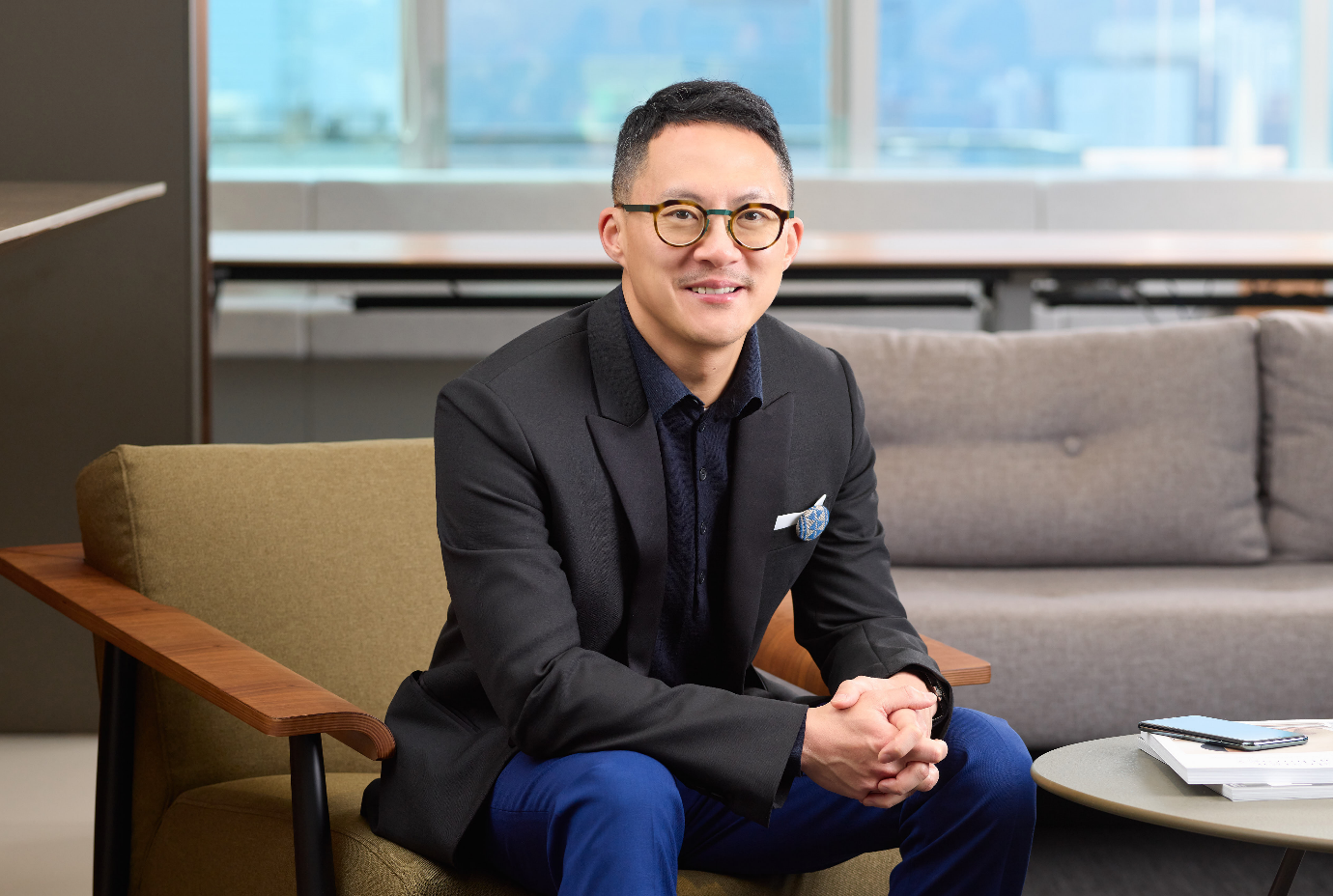
Stephen Chow is the Managing & Creative Director of Hong Kong-based firm CAN Design. He is a visionary, award-winning architect with over 20 years of experience in architectural design in the Asia Pacific. As a registered Architect and Authorized Person in HKIA, Stephen has built a strong portfolio in both design and project management, with a deep sensitivity to cultural context, urban dynamics, and client aspirations. His expertise spans masterplanning, large-scale mixed-use developments, commercial high-rise towers, retail environments, and urban regeneration schemes. With a holistic design approach and a collaborative mindset, Stephen has led and contributed to numerous landmark projects throughout Mainland China, Hong Kong, Japan, Southeast Asia, and beyond