
What The Galleria Teaches Retail About Strategic Asset Repositioning
What The Galleria Teaches Retail About Strategic Asset Repositioning
For those of us who have worked in commercial property for more decades than we might care to admit, decline rarely happens overnight. It occurs so gradually that it is easy to overlook until you step away and return years later. That was my exact experience returning to The Galleria in Hatfield.
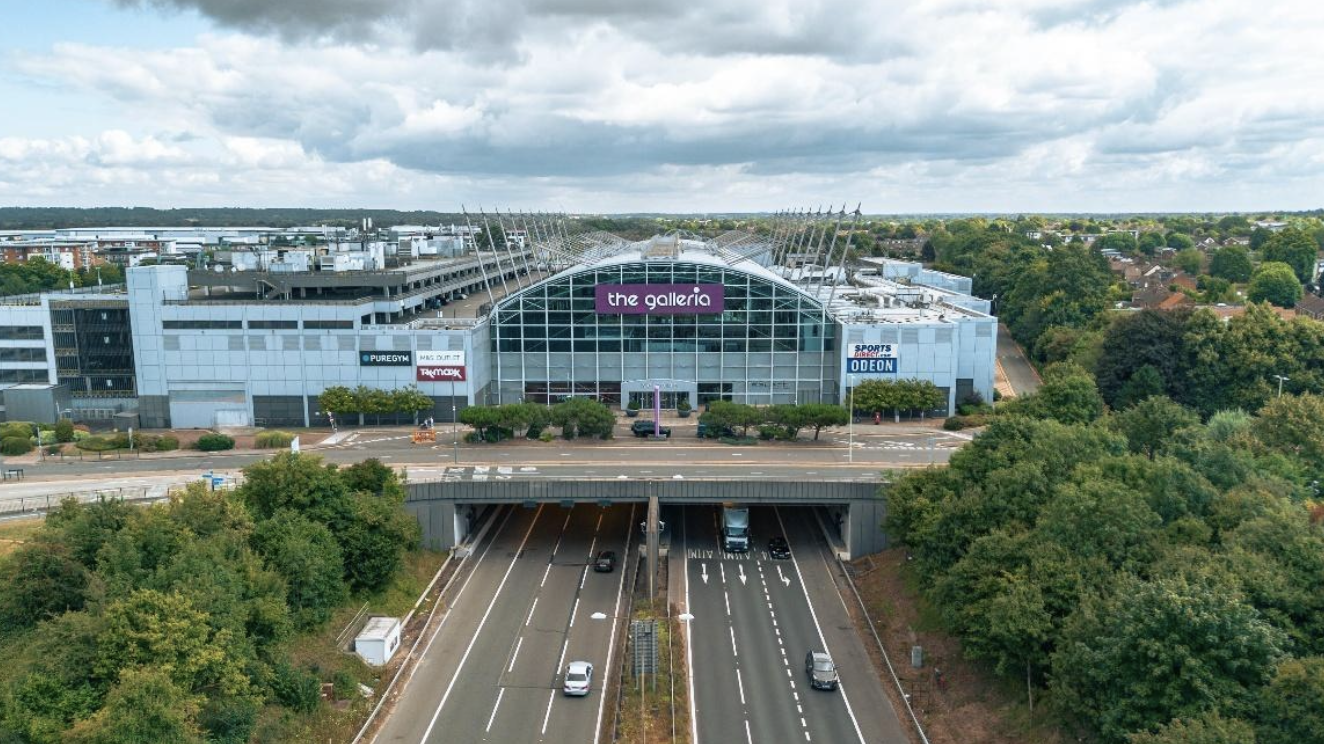
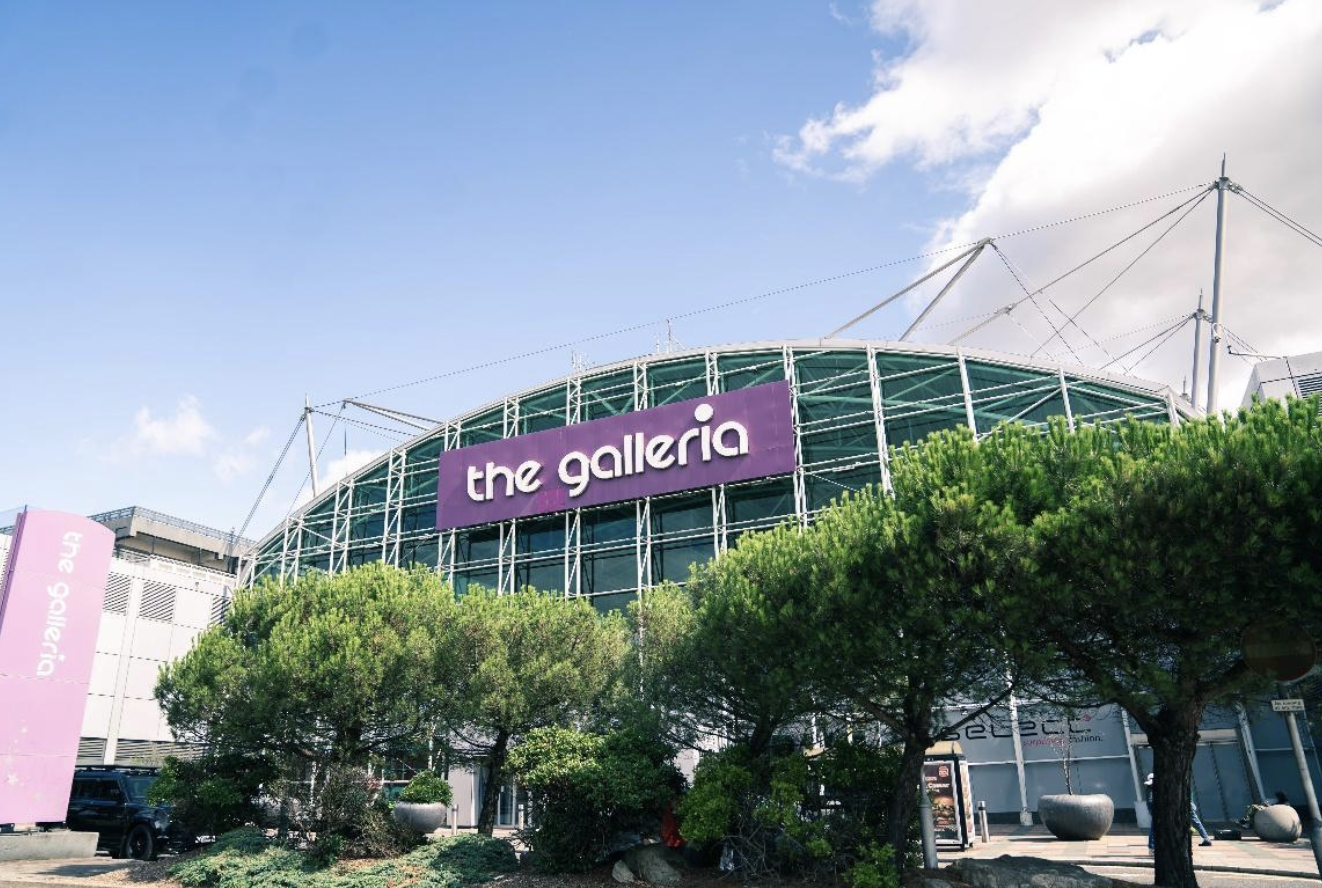
When it launched in the early 1990s, The Galleria was a pioneer among UK outlet destinations, drawing substantial crowds from London and across the Home Counties with a novel format and striking architecture straddling the A1(M). Fast-forward thirty years, and the scheme was trapped by its own historical model. The pure outlet proposition had lost its edge, the tenant mix lacked clear differentiation, and regional consumers simply had no compelling reason to return.
When our team was brought in alongside new ownership, the immediate challenge was clear: avoid the trap of responsive management. Responsive asset management treats structural decline as a promotional problem— relying on marketing refreshes, tenant concessions, and short-term footfall chasing. Anticipatory asset management does something far harder: it questions the core purpose of the building and systematically aligns it with real-world utility.
Beyond the Regional Catchment Trap
Traditional commercial real estate thinking suggests that flagging schemes must double down on broad regional marketing to draw distant, higher- spending shoppers. While catchment scale matters, pursuing regional traffic without a loyal, high-frequency core is unsustainable.
Our strategy moved away from pure-play discounting toward a hybrid model integrating food, leisure, and community experiences. Instead of attempting to immediately compete for distant affluent shoppers, we focused first on building everyday relevance among core local residents, nearby students, and surrounding communities.
Re-establishing frequent, habitual local footfall created a resilient baseline. Upgrading the mall environment—introducing living planting in place of artificial displays, activating public spaces, and curating independent dining like Sumac & Saffron alongside national operators—elevated the customer experience so the scheme could progressively broaden its reach.
Scaling Latent Strengths Over New Inventions
Repositioning often stumbles on the assumption that success requires inventing entirely new concepts from scratch. In reality, the most viable engine for growth is often already operating inside the scheme.
At the center of The Galleria’s vast atrium sat 'Get Wild,' an indoor children’s play attraction. Even while surrounding retail units struggled, it consistently attracted family audiences. Rather than treating it as an incidental amenity, the strategy prioritized it.
We invested in new equipment, refined the interior, and upgraded operations to build footfall. That measurable family audience gave our leasing team the concrete evidence prospective occupiers needed. It directly enabled us to secure The Entertainer for its largest UK store format—over 8,000 square feet, roughly twice its standard size—alongside complementary family operators such as Paint Patch. The commercial takeaway is simple: find where organic demand is already concentrating, then build your leasing strategy directly around it.
“The survival of a retail asset does not depend on defending its original purpose, but on having the strategic clarity to dismantle that purpose before obsolescence becomes irreversible.”
Unlocking Unconventional Spatial Utility
Future-ready asset management requires looking beyond standard retail lease categories.
The Galleria's proximity to major film and television production centers at Elstree, Borehamwood, and Leavesden presented an overlooked structural advantage. By working directly with location managers, the scheme's aircraft- hangar architecture and vacant units were repurposed into adaptable production spaces.
Hosting productions for the BBC, Netflix, and Warner Bros.' Practical Magic 2 generated direct alternative commercial value while repositioning the asset in regional media culture. While film production is not an alternative to a leasing strategy, it proves that physical flexibility can turn vacant liabilities into commercial credibility.
Principles for Asset Turnarounds
While every shopping center operates within unique regional conditions, the mechanics behind repositioning mature assets follow several consistent rules:
- Do Not Recreate the Past: Nostalgia has emotional resonance, but relying on an asset’s historical glory will not sustain its commercial future.
- Isolate and Amplify Real Differentiators: Identify existing micro-successes —whether an experiential tenant or architectural feature—and build leasing momentum directly around them.
- Enforce Cross-Disciplinary Alignment: Asset management, leasing, placemaking, and marketing must operate under a single mandate; disjointed targets undermine physical repositioning.
- Anchor in Genuine Local Demand: Long-term resilience starts with habitual local routines before chasing speculative regional footfall.
Physical retail schemes do not decline because consumer demand disappears; they decline when management teams fail to observe how that demand has shifted. Reinvention is rarely about superficial polish—it is about having the discipline to align physical space with how people actually live, gather, and spend their time today.
More About the Author
Alan Thornton is the Managing Director of AL Marketing, with more than 25 years of experience advising and repositioning retail and leisure destinations across the UK and internationally. Formerly a senior director at property specialists DTZ and Donaldsons, he has shaped strategy for landmark schemes including Covent Garden Market, Carnaby, and Whiteleys, as well as international destinations such as Morocco Mall in Casablanca. He currently serves as Chair of the Solal Awards and regularly advises commercial landlords on asset repositioning, placemaking, and marketing performance.