Community Integration and Emotional Resonance
In my previous article, I explored how community integration serves as the foundation for thriving real estate developments, particularly in mixed-use spaces that evolve into true meeting places. By deeply understanding local groups—united by interests, values, geography, or shared experiences—we move beyond transactional interactions to foster genuine belonging. This integration isn't merely strategic; it's profoundly emotional. When we engage communities thoughtfully, we tap into their feelings, creating lasting impressions that reside within individuals long after their visit. Those emotions—joy, inspiration, connection and surprise—become embedded, turning ordinary visitors into passionate local ambassadors for the asset.
This emotional resonance is powerful because it drives authentic advocacy. People don't just remember a positive experience; they carry it with them, sharing it organically with friends, family, and networks. This sparks “word-of-mouth activation,” which remains one of the most effective marketing tools today and will continue to be in the future—often completely free of charge. Recent insights from 2025-2026 confirm this enduring strength: studies show that 92%of consumers trust recommendations from people they know more than any other form of advertising, while 88% place similar trust in suggestions from friends and family. In retail and real estate contexts, word-of-mouth generates up to five times more sales than paid ads in some analyses, with 63% of small to medium-sized businesses crediting it for growing their customer base. It influences 20% to 50% of purchasing decisions, outpacing traditional channels where trust in ads continues to decline amid information overload and skepticism toward sponsored content.
In community-focused programs, this emotional engine is deliberately fueled through structured pillars that blend rational benefits with deep feelings. For instance, interest clubs allow members to pursue passions—whether fitness, arts, self-development, or family activities—creating shared moments of delight and fulfillment. These clubs empower participants to drive their own agendas, fostering pride and ownership. A dedicated community space acts as a welcoming "home": a place to recharge with coffee amid pleasant music, join inspiring talks, play with kids, meet new friends, or host celebrations. Such environments evoke warmth, relaxation, and social connection, embedding positive emotions that people associate indelibly with the place.
In my previous article, I explored how community integration serves as the foundation for thriving real estate developments, particularly in mixed-use spaces that evolve into true meeting places. By deeply understanding local groups—united by interests, values, geography, or shared experiences—we move beyond transactional interactions to foster genuine belonging. This integration isn't merely strategic; it's profoundly emotional. When we engage communities thoughtfully, we tap into their feelings, creating lasting impressions that reside within individuals long after their visit. Those emotions—joy, inspiration, connection and surprise—become embedded, turning ordinary visitors into passionate local ambassadors for the asset.
This emotional resonance is powerful because it drives authentic advocacy. People don't just remember a positive experience; they carry it with them, sharing it organically with friends, family, and networks. This sparks “word-of-mouth activation,” which remains one of the most effective marketing tools today and will continue to be in the future—often completely free of charge. Recent insights from 2025-2026 confirm this enduring strength: studies show that 92%of consumers trust recommendations from people they know more than any other form of advertising, while 88% place similar trust in suggestions from friends and family. In retail and real estate contexts, word-of-mouth generates up to five times more sales than paid ads in some analyses, with 63% of small to medium-sized businesses crediting it for growing their customer base. It influences 20% to 50% of purchasing decisions, outpacing traditional channels where trust in ads continues to decline amid information overload and skepticism toward sponsored content.
In community-focused programs, this emotional engine is deliberately fueled through structured pillars that blend rational benefits with deep feelings. For instance, interest clubs allow members to pursue passions—whether fitness, arts, self-development, or family activities—creating shared moments of delight and fulfillment. These clubs empower participants to drive their own agendas, fostering pride and ownership. A dedicated community space acts as a welcoming "home": a place to recharge with coffee amid pleasant music, join inspiring talks, play with kids, meet new friends, or host celebrations. Such environments evoke warmth, relaxation, and social connection, embedding positive emotions that people associate indelibly with the place.
Personalized communication elevates this further by demonstrating genuine understanding—learning individual interests, daily needs, behaviors, and motivations to deliver relevant offers at perfect moments. This makes people feel truly seen and valued, strengthening emotional bonds. Innovative loyalty schemes reward not only purchases but also active participation: attending events, engaging on social networks, co-creating ideas, or simply being advocates. Rewards—exclusive access to special happenings, unique services, or feel-good perks—reinforce that emotional high, encouraging ongoing involvement and sharing.
The result? A virtuous cycle. Engaged community members become ambassadors (or equivalent local champions), organically promoting the space through authentic stories. Their endorsements carry credibility no paid campaign can match, driving repeat visits, higher dwell time, cross-spending, and new footfall—all amplified by the ripple effect of word-of-mouth. In redevelopment journeys, this has proven transformative: assets gain resilience, visitation surges, and value increases as the place becomes integral to community life.
From customer experience strategies dating back to foundational definitions—where community is a group united by interests, ideas, values, or geography, and customer experience involves rational, emotional, sensorial, physical, and even spiritual layers—the emphasis remains clear: prioritize emotional involvement. By anticipating needs through knowledge and building belonging, developments contribute to better everyday lives—taking social responsibility while reaping organic growth.
In essence, community engagement isn't about transactions; it's about touching hearts. When emotions linger positively, they propel advocacy that money can't buy. Word-of-mouth, activated through genuine connection, remains timelessly powerful—cost-effective, trusted, and exponentially effective in building loyalty and success.
Personalized communication elevates this further by demonstrating genuine understanding—learning individual interests, daily needs, behaviors, and motivations to deliver relevant offers at perfect moments. This makes people feel truly seen and valued, strengthening emotional bonds. Innovative loyalty schemes reward not only purchases but also active participation: attending events, engaging on social networks, co-creating ideas, or simply being advocates. Rewards—exclusive access to special happenings, unique services, or feel-good perks—reinforce that emotional high, encouraging ongoing involvement and sharing.
The result? A virtuous cycle. Engaged community members become ambassadors (or equivalent local champions), organically promoting the space through authentic stories. Their endorsements carry credibility no paid campaign can match, driving repeat visits, higher dwell time, cross-spending, and new footfall—all amplified by the ripple effect of word-of-mouth. In redevelopment journeys, this has proven transformative: assets gain resilience, visitation surges, and value increases as the place becomes integral to community life.
From customer experience strategies dating back to foundational definitions—where community is a group united by interests, ideas, values, or geography, and customer experience involves rational, emotional, sensorial, physical, and even spiritual layers—the emphasis remains clear: prioritize emotional involvement. By anticipating needs through knowledge and building belonging, developments contribute to better everyday lives—taking social responsibility while reaping organic growth.
In essence, community engagement isn't about transactions; it's about touching hearts. When emotions linger positively, they propel advocacy that money can't buy. Word-of-mouth, activated through genuine connection, remains timelessly powerful—cost-effective, trusted, and exponentially effective in building loyalty and success.
“92% of consumers trust recommendations from people they know more than any other form of advertising, while 88% place similar trust in suggestions from friends and family.”
More About the Author
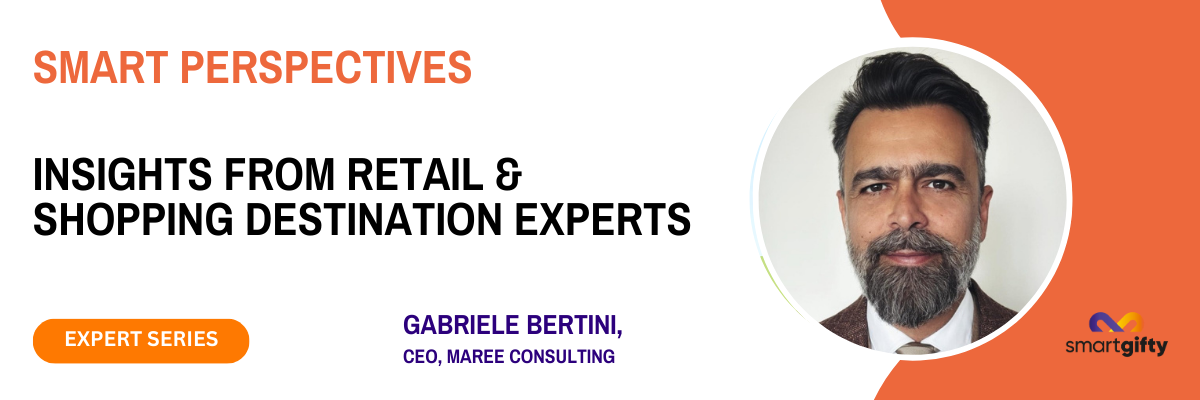
Gabriele Bertini is a multi-award-winning real estate executive with over 25 years of international experience leading high-impact developments across Europe and Asia. As the developer behind iconic landmarks like Aviapark and Tashkent City Mall, he has managed millions of square meters in GLA, consistently driving portfolio value growth—often exceeding 15%—through innovative tenant clustering and customer journey optimization.
Through his firm, MAREE Consulting, Gabriele now advises global clients on transforming traditional retail and mixed-use portfolios into vibrant, community-centered destinations. His approach integrates retail, leisure, and digital innovation with data-driven personalization and emotional engagement to elevate sales and asset performance. Recognized by prestigious industry bodies like MAPIC and ICSC, Gabriele combines his deep cultural adaptability as a father of four living abroad with a relentless focus on creating future-ready, high-value urban spaces