
We Optimize Experiences. But Do We Know How They Affect Us?
We measure visits, sales, and clicks. But do we know how people actually feel? From shopping centres to tourist destinations and digital platforms, the true value of an experience goes beyond numbers. It lies in emotions, human connections, and the reasons people choose to return.
What if the success of a shopping centre, tourist destination, or digital platform depended not only on how many people it attracts, how much they spend, or how long they stay, but also on how they feel while they are there?
This question connects several fields I work in that may seem quite different at first glance: shopping centres, marketing and customer experience, smart destinations, and wellbeing and nature-based experiences.
The more I look at them together, the clearer it becomes that they all share the same underlying question: what value are we creating for people? In a world where we measure user behaviour with increasing precision, we often know what people have done, but far less about how they felt while doing it.
From Shopping Centres to Tourist Destinations
In the shopping centre industry, we talk a great deal about footfall, sales, and dwell time. These are important business indicators, but shopping centres are increasingly becoming places for meeting, socialising, entertainment, and leisure.

Imagine a family spending a Saturday afternoon at a shopping centre. We know how much they spent and how long they stayed, but we do not know whether they enjoyed meaningful time together, felt comfortable, or returned home exhausted. Yet these are precisely the kinds of experiences that can influence their desire to return.
The same applies to tourist destinations. Visitor arrivals, overnight stays, and spending are important indicators, but they reveal little about the memories guests take home. Often, what we remember most is what we did not plan: meeting a local resident, discovering a hidden place, or experiencing an unexpectedly pleasant moment.
This is where I see the value of smart destinations. Technology can connect local offerings, help visitors discover what interests them, and give smaller businesses greater visibility. But I would not measure the success of such a solution solely by the number of app users. I would also ask whether it helped visitors experience something they might otherwise have missed.
We do not always return because of what we bought or saw, but because of how a place made us feel.
What Are We Actually Optimizing?
For years, marketing and sales professionals have been trying to understand customers better. Today, data and artificial intelligence allow us to personalize experiences with increasing precision. We know what users click on, where they spend their time, and what encourages them to take the next step.
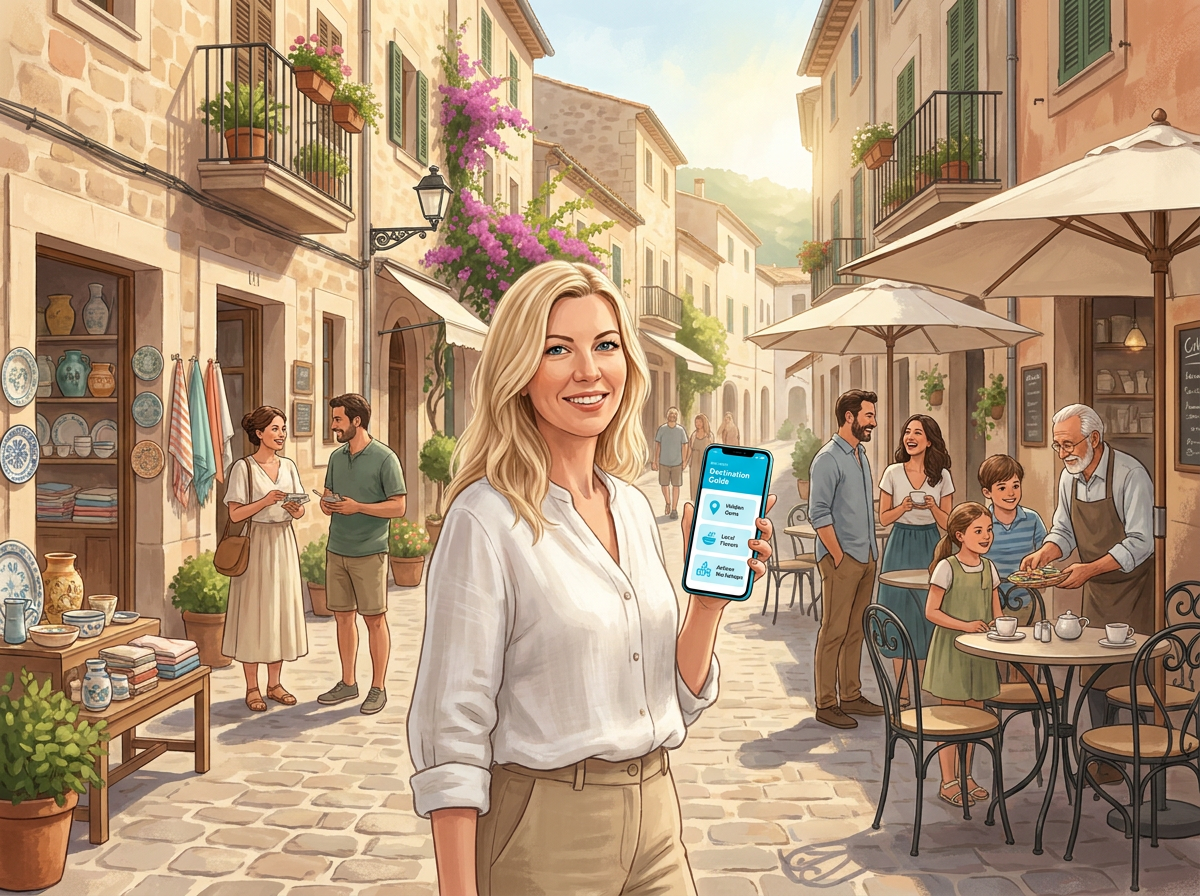
But if we keep someone on a platform for a few extra minutes, have we truly improved their experience? Or have we simply become better at capturing their attention?
I find myself thinking more and more about this distinction. Technology can simplify our daily lives, but it can also overwhelm us with information, choices, and notifications. Even our leisure time often becomes a series of activities that we try to squeeze into the hours available.
That is why I believe that, alongside efficiency and engagement, we should also consider how much time, attention, and energy an experience demands from a person. This question directly relates to our wellbeing in the digital age.
What Can Green Reset Teach Us?

Recently, I led a Green Reset workshop at a conference. Among presentations, conversations, and numerous encounters, we created space for something different: a moment when participants did not need to absorb new information or think about their next activity. I found myself wondering how valuable it would be to have something similar at every conference. So much content, so many interesting people and new ideas, yet almost no time to process it all in peace.
I recognize a similar contrast between the digital world and experiences in nature, particularly forest bathing. In one, we strive to be faster, more efficient, and constantly available. The other invites us to slow down and pay attention to what is happening around us.
In nature, we do not always need to achieve something. We can simply observe, listen, and follow our own rhythm. Not everyone will experience the same effect, but such moments can be valuable for rest and a sense of wellbeing.
Interestingly, technology can play a useful role here too. It can help us find a program, choose an experience, or organize our arrival, and then step into the background.
Perhaps we do not always need more content and more activities. Sometimes, a better experience is one that leaves more room for ourselves.
Wellbeing Is Not Just a Personal Matter
When we talk about wellbeing and selfness, we often focus on individuals, their personal development, balance, and self-care. But our sense of wellbeing is also influenced by relationships with others and the feeling that we belong somewhere.
That is why I see an opportunity in the development of shopping centres and tourist destinations to create more spaces for human connection. An event that brings generations together, collaboration with the local community, or an experience that connects visitors with the people and culture of a place can leave a deeper impression than sales figures suggest.
Technology can make such connections easier, but a sense of belonging develops between people, not inside an app.
In the End, It Always Comes Back to People
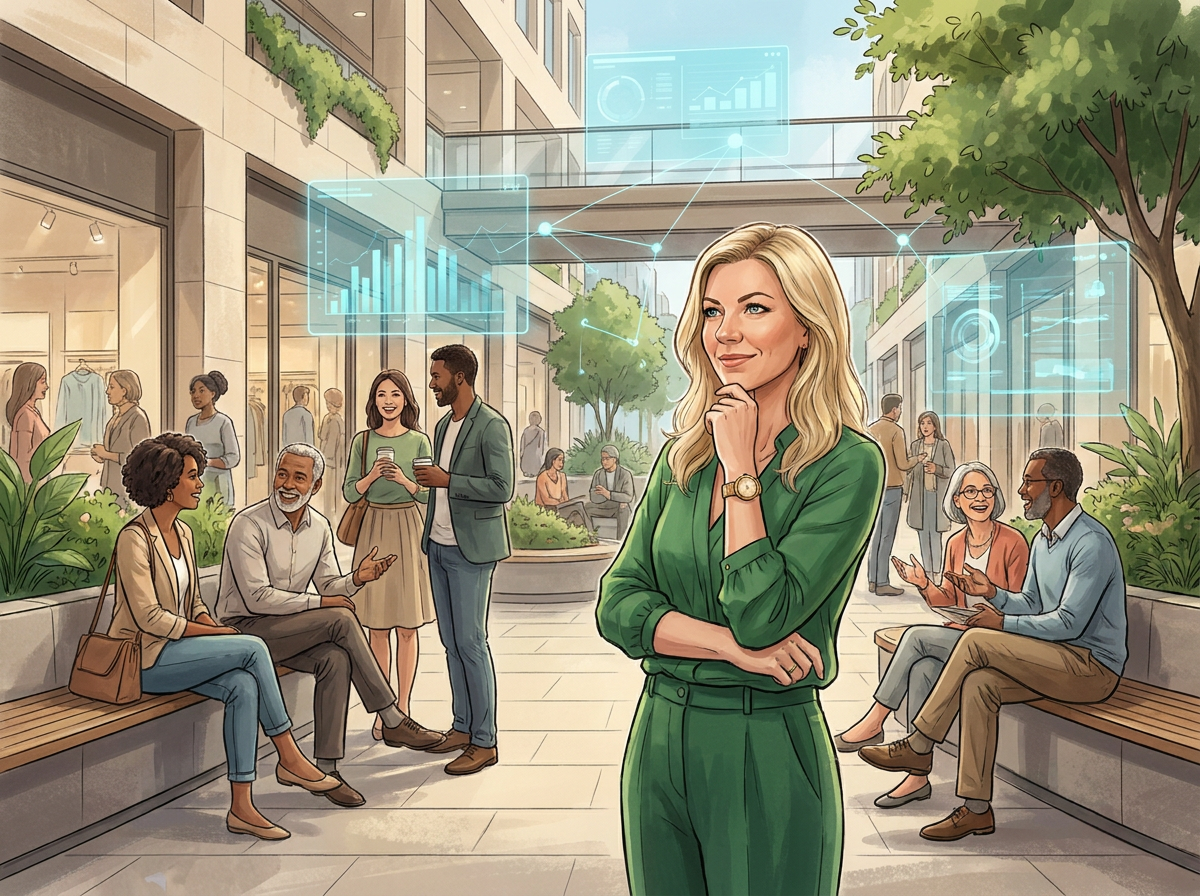
When I connect all these fields, I see that regardless of our different business objectives, we are all involved in designing experiences that influence how people spend their time. I am not suggesting that we should stop measuring sales, footfall, or engagement. These metrics are necessary for making decisions, but they do not tell the whole story. We cannot turn every emotion into a number or automatically associate satisfaction with better health. But we can ask people more often what an experience genuinely gave them.
That is why I believe that before developing a new service, campaign, or technology, we should ask one more question:
Not only what do we want people to do, but what do we want the experience to give them?
Because not every additional click represents success, just as a longer visit or higher spending does not automatically mean a better experience. What matters is also how people feel when they leave and why they want to come back.
Perhaps this is where the next step in digital transformation lies: not in technology that can do more and more, but in our understanding of what truly matters to people.
Mila Triller