Are These Two Obstacles Holding You Back?
Mark wiped his hands on the kitchen towel and sighed deeply. “I’m not sure our guests would even take part in any kind of loyalty program,” he said. He flipped through his notebook and added, “They’re… different.”
He said it with the seriousness of someone describing a rare species — unique, exceptional, one of a kind. “You see, our guests don’t need points, cards, or apps. They just want good food and good service. That’s all.”
I smiled. I’d heard this before — from hoteliers, café owners, retailers, even a car salesman or two. They’re all people who love to say in unison: “Our customers are different!”
But when you actually take the time to dive deeper and try to understand these supposedly “different” people, you discover something interesting:
We all have one thing in common. We all like to feel special. Valued.
Many business owners cling to this way of thinking because it gives them an excuse to avoid change — to avoid solutions that might disturb their routine or pull them out of their comfort zone. That’s why the phrase “It won’t work with our customers” is often just a polite way of saying “We’re not ready to change.”
The truth is, every one of us wants to be noticed. We want to be treated as a person — not just as a positive number in someone’s business report. That’s why the best restaurants remember your favorite wine. That’s why top hotels welcome you like you’ve finally returned home after a long journey.
This isn’t some unique trait — it’s simply part of human nature.
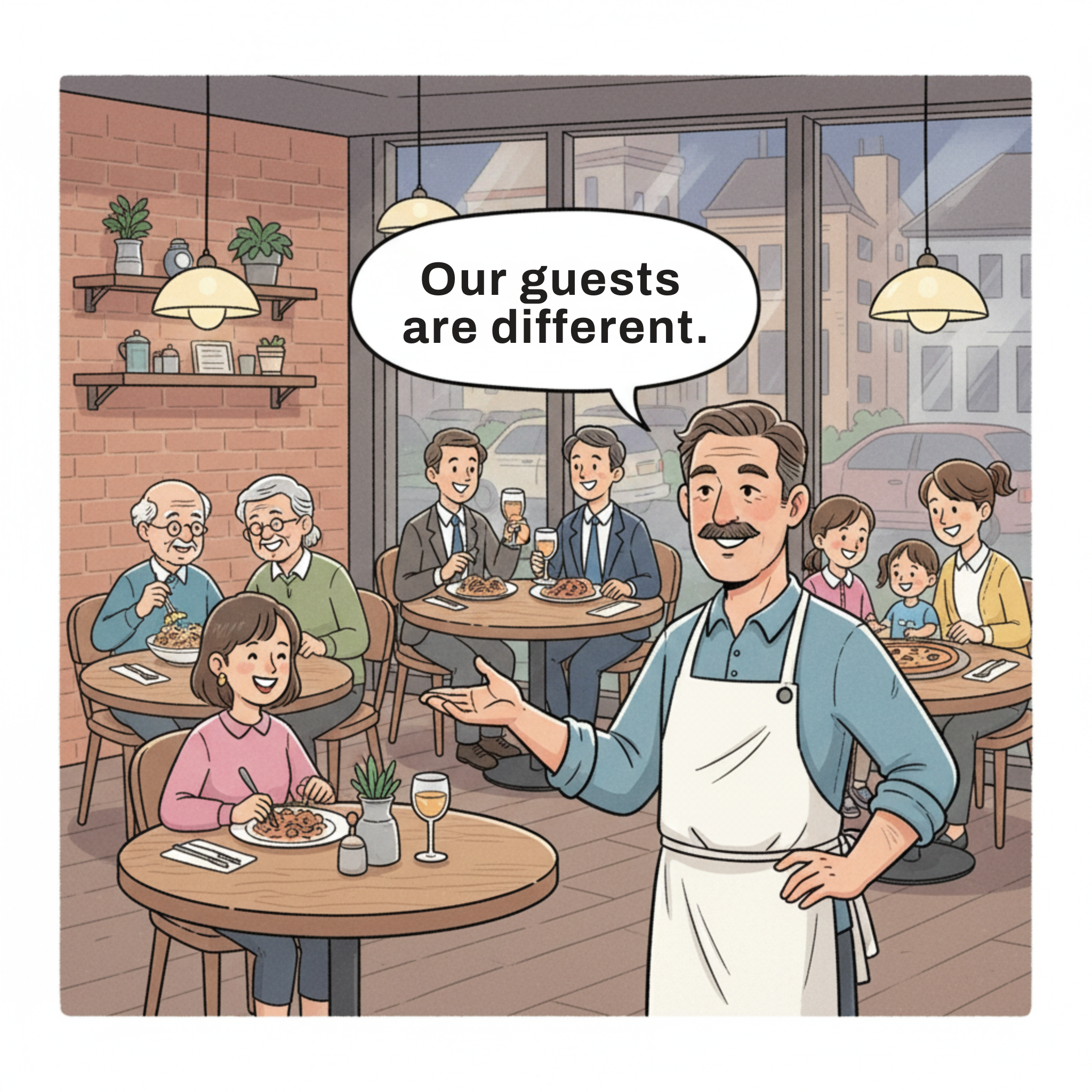
So, no — your customers aren’t different. They’re just people, too.
This is the first obstacle many face when thinking about loyalty programs. Once you overcome it, you can start building a real loyalty program — one that isn’t just about buying loyalty with discounts, but earning it with attention, care, and consistency.
Soon after, most companies run into Obstacle No. 2. It usually sounds like this: “Mrs. Francka does a great job promoting new offers, but the rest of the staff aren’t really interested — let alone motivated.”
While the first obstacle is mostly about a mindset, the second one is far more dangerous. Here’s why:
You’ll always find some vendor who promises that their loyalty system is a “set and forget” solution — something you just turn on and let it run by itself. But that couldn’t be further from the truth.
Even the most perfect loyalty program is completely useless if your team doesn’t believe in it.
When I walk into a business, I can usually tell within seconds whether the loyalty program is truly alive — or just ticking a box because the owner heard “every company should have one.”
And I’m sure you can sense that too. How? By the way they greet you as a guest. By the way employees talk about their brand. By the way the authenticity of the invitation they give you as you leave: “We hope to see you again.”
If it feels genuine — it means the company has put real effort into it. If it feels forced or mechanical — it’s a sign that leadership hasn’t really done the work.
Unfortunately, many business owners still expect loyalty programs to “run themselves.” They hope employees will naturally mention special offers or invite guests to join the loyalty club. But hope alone doesn’t get results.
Hope is a good thing — but it should never be your main strategy for success.
Just like any other system, your loyalty program needs a clear structure — a Standard Operating Procedure (SOP).
That’s simply a practical script your team internalizes until it becomes second nature. It doesn’t need to be complicated. Sometimes, it’s as simple as saying:
“Welcome to our hotel! If I’m not mistaken, this is your first visit? This week we have a special [insert any bonus] for new guests. Would you like to join our club? It only takes a few seconds — and you’ll instantly enjoy all the benefits!”
That’s it. No long explanations needed. You can personalize and refine your approach later — and even automate much of it with modern digital tools.
Just don’t forget about your team. Even though they’ll simply be following a well-defined script, you should always reward their effort.
For example, you can organize small weekly challenges — and reward the employees who bring in the most new loyalty members.
Once you’ve conquered this second step, something amazing happens.
You realize that your business isn’t so “unique” after all. That your customers aren’t some mysterious species. And that excuses like “our staff aren’t motivated enough” quietly disappear.
Your business will start breathing with your loyalty program. Your customers will feel more appreciated and welcome. Your employees — proud and excited, knowing that better business results also mean better rewards for them.
Boštjan Belčič
Connect with me