Smart solutions? Only if they help people.
Recently, I attended an international shopping centre conference in Istanbul. I was invited to join a panel discussion on smart solutions for more effective shopping centre and retail management. My part focused on loyalty programs, gift cards, system integrations, and how to use data generated from them.
When they say “smart solutions”
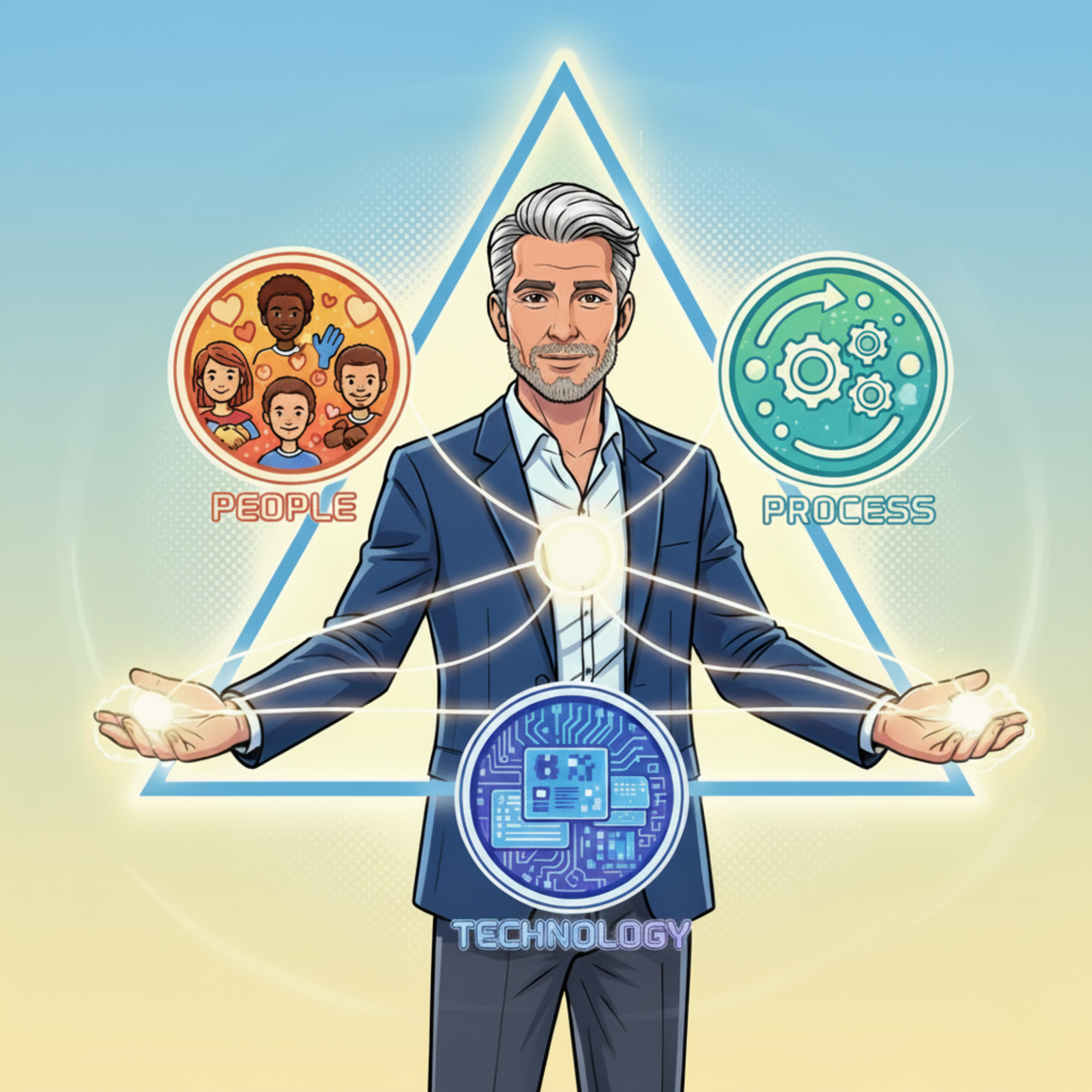
One of the questions was: “When you hear the term ‘smart solutions,’ what does it mean to you - technology, process, or people?” The answer is simple: all three. But the order matters. First people, then processes, and only then technology.
If you start the other way around, technology works - but it has no real value. It exists for its own sake. Technology is the connector - it helps link processes and people. Think of gift card or loyalty systems like the ones we provide - they digitalize the process, make it faster, clearer, more transparent, and give us the data we need to understand customer behavior better.
Technology as a bridge, not the goal
At the end of the day, it’s all about people - making their shopping experience easier and understanding them better. That’s the essence. Both for those who manage the system and for end users. Technology should give us time back - time we can invest in building relationships, whether with customers, tenants, or partners.
But once a system is in place, it has to be used, tested, and improved when needed. That’s when software adjustments come in. So yes - smart solutions are both technology and process, but they only make sense if they serve people. And the main challenge - the same across continents - is how to create a better user experience.
We’re all facing the same challenges
The visible difference between countries lies in investment - in construction and digital development. For example, in the UAE or Saudi Arabia, money isn’t a problem. Investments in digitalization, apps, LCDs, and interactive panels come easily.
But when it comes to understanding the customer and creating better experiences - that’s the same challenge everywhere. We just approach it differently.
I was happy to see that we’re keeping up when it comes to understanding and providing solutions. But there’s a big difference elsewhere: here, people are still thinking, “Who will be the first to try?” I’m talking about industries like retail, F&B, and hospitality. Everyone watches each other, waiting to see results. Time passes, and they analyze the analyses. They know there are digital tools that could help - but they don’t use them enough. Not as much as they could, to make their work easier, and ultimately to save money. There’s always an initial investment, because nothing comes from nothing, before you can reap what you’ve sown.
Fear of the first step
And what did I realize? Maybe they’d pay for a software solution - but only if it’s as cheap as possible.
The truth is, they don’t really have a problem. Simply put - it doesn’t hurt. Or at least not enough to change. *“The current situation isn’t that bad, let’s wait a bit, we don’t have the budget right now, let’s see what our neighbor does first.”*
It’s a pity. Instead of being the first and gaining an advantage, people prefer to wait. That’s how it often is in our region - though not everywhere, of course.
A few truths worth repeating:
- A smart solution without a smart person is like a Tesla without electricity - silent, beautiful, but going nowhere.
- A digital screen without content is just an expensive lamp.
- A dashboard without context is like a weather forecast for Mars.
- AI without good data and understanding of users is like a chef who knows the recipe but never tasted the food.
- And “digital transformation” without a change in mindset? That’s like a diet without changing habits - or a New Year’s resolution that lasts three days.
Because honestly - technology without vision is just a tool.
And when people say, *“AI will fix everything,”* the right answer is: “Great. Let it first understand why people return to places where someone recognizes them by name, smiles, asks how they are, and can read their mood from their eyes.”
That’s still - the best loyalty program.
Jurij Triller
Connect with me