
The Art of Being Ignored: How to Lose a Customer Forever in Ten Minutes (or Three Rings)
My wife and I share a quiet little indulgence: we love the sea most when everyone else has already packed away their swimsuits and forgotten the scent of pine needles. The off-season—completely free of overwhelming crowds. Just crisp air, the tang of salt, and that blissful serenity where you can actually hear the rhythm of the waves instead of blaring bass from the beach bar next door.

Naturally, that idyllic peace comes at a price. With fewer visitors around, the options are noticeably scarce. Half the cafés have pulled down their shutters, while the few that stay open run on a sort of sluggish, low-gear energy. Recently, we thought we’d struck gold. At least, that’s how it looked at first. We came across a charming waterfront spot—bathed in just the right amount of morning sun, with sleek glass panels keeping the wind at bay. In short: the perfect haven for a morning coffee.
When we walked in, we were greeted by a rather curious staffing setup. Crammed behind the counter were no fewer than four waiters practically jostling for elbow room—two younger guys, likely students, and two older men, ostensibly seasoned hospitality pros. Rather unusual, given that while the café was spacious, it certainly didn't warrant an ensemble cast of that size.
Yet that was where the story really began.
You see, the gentlemen were remarkably busy—mostly with each other. The minutes ticked by relentlessly. Once we (along with a few other hopeful coffee enthusiasts) had lingered in complete invisibility for a bit too long, I tried drawing their attention with the standard diplomatic toolkit: a polite nod, a slight wave of the hand, and that universal eye contact that wordlessly conveys: “We’re right here, ready to trade currency for caffeine.”
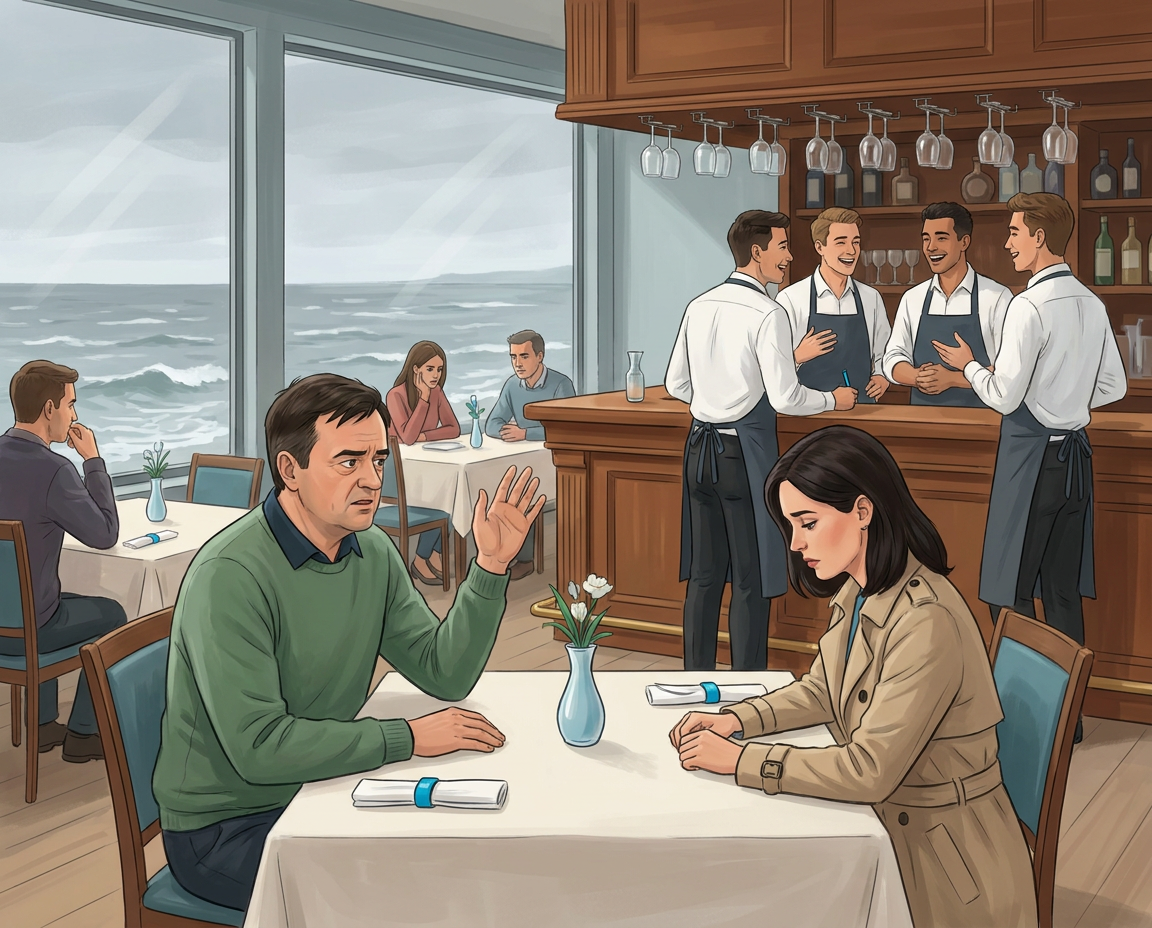
Nothing. Not a trace. The crew had turned looking straight through guests into a masterclass, gazing right past us as if we were sculpted from pure Plexiglas. A quick glance around and a few murmurs from neighboring tables confirmed our suspicions: we weren't the only phantoms in the room.
After a solid ten minutes of this mesmerizing indifference, we stood up and walked out.
I’m a firm believer in praising in public and criticizing behind closed doors, so I won’t name names here. Let’s just be diplomatic and chalk it up to an “off day” for the crew.
Chances are, that sensation sounds familiar. It’s most common in bustling, high-traffic locations where a steady stream of passersby is taken for granted—patrons who, like us, drop in once and never set foot there again. If that’s your operational model, fair enough. But if you secretly hope customers might actually return, this approach is, to put it mildly, less than ideal.
And if you think this dynamic only plays out in coffee shops, think again. What about that critical first touchpoint over the phone?
Among luxury hoteliers, there’s an unwritten golden rule: the front desk phone must never ring more than three times before someone answers. After all, you only get one shot at a first impression.
How does that translate into everyday reality? Callers’ experiences usually fall into three familiar categories:
The Champions of Excellence: You call, and someone answers promptly—well before the third ring. It’s an exceptional experience, but devilishly difficult to sustain in the real world. Especially when the inevitable rush hits and staff have their hands full with customers standing right in front of them.
The Peace-at-Any-Cost Operators: Businesses that behave precisely like the waiters in our opening story. Because they value a stress-free shift above all else, the ringing phone is cheerfully ignored. If an impatient prospect walks over to a competitor? No big deal—at least the noise stopped.
The Well-Intentioned, Overwhelmed: Businesses that know full well every missed call represents lost revenue, but simply lack the bandwidth or headcount to deliver a seamless experience.

What do the latter do? They treat the caller to an unsolicited, multi-minute concert of tinny, crackling hold music that no rational human being wants on endless loop. Or worse, they march them straight into the minefield of interactive voice response menus. “Press 1 for this, 2 for that...” —only for the system to mercilessly dump them back to the main menu after five minutes and eight automated prompts, right when they were finally expecting a live human.
The result? The caller hangs up in frustration and takes their business elsewhere.
Perhaps all of this sounds a bit cynical. Crafting a customer journey that keeps people returning again and again is undeniably hard work. But when it comes to that vital first interaction, modern technology has made the playing field incomparably easier.
Today, instead of an overwhelmed receptionist scrambling to pick up, a digital counterpart can step in. Programmed properly, callers won't even realize the person on the other end isn't made of flesh and bone...
Even so, you might say: “I’m certainly not going to talk to a machine!”
And you'd be entirely right—especially if you've ever crossed paths with a cheap, poorly configured bot that freezes at the first curveball, spouts gibberish, or confidently promises something your company doesn't even offer. While developing our own solution, we learned firsthand just how razor-thin the line is between technological elegance and an unmitigated disaster that leaves the customer even more infuriated.
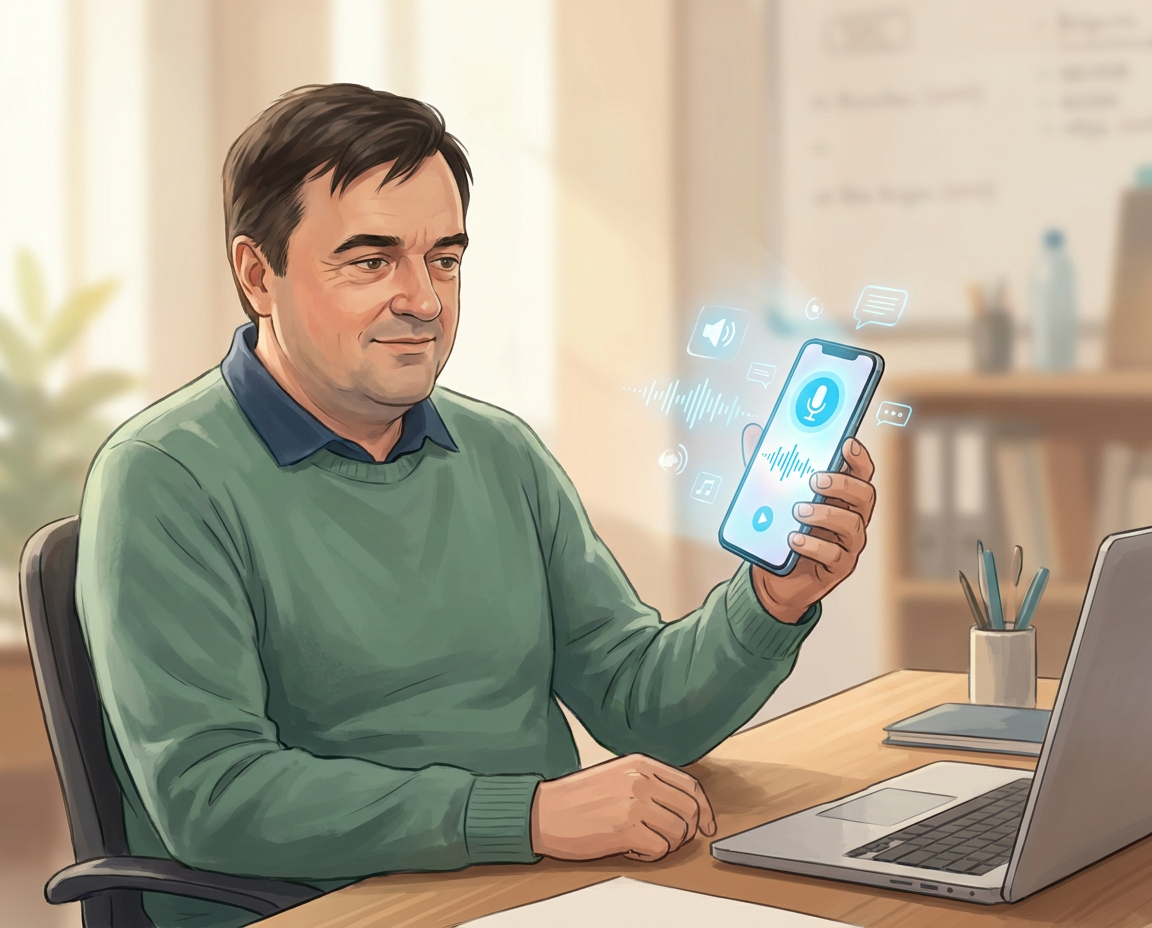
It's true: a machine will never fully replicate the human touch. But if you had to choose between a phone ringing fruitlessly into the void and an intelligent digital assistant answering without a hint of reluctance—even on a Sunday evening in the middle of a holiday—and actually solving your dilemma, what would you choose?
The decision might become even easier knowing that a digital receptionist can identify exactly who is calling, anticipate the service they typically expect, and suggest a personalized experience based on past visits before they've even finished phrasing their inquiry.
Before deciding on your strategy, bear one fundamental truth in mind: in business, as in life, you never get a second chance to make a first impression.
Boštjan Belčič