
When the Trade Fair App Remains Unanswered
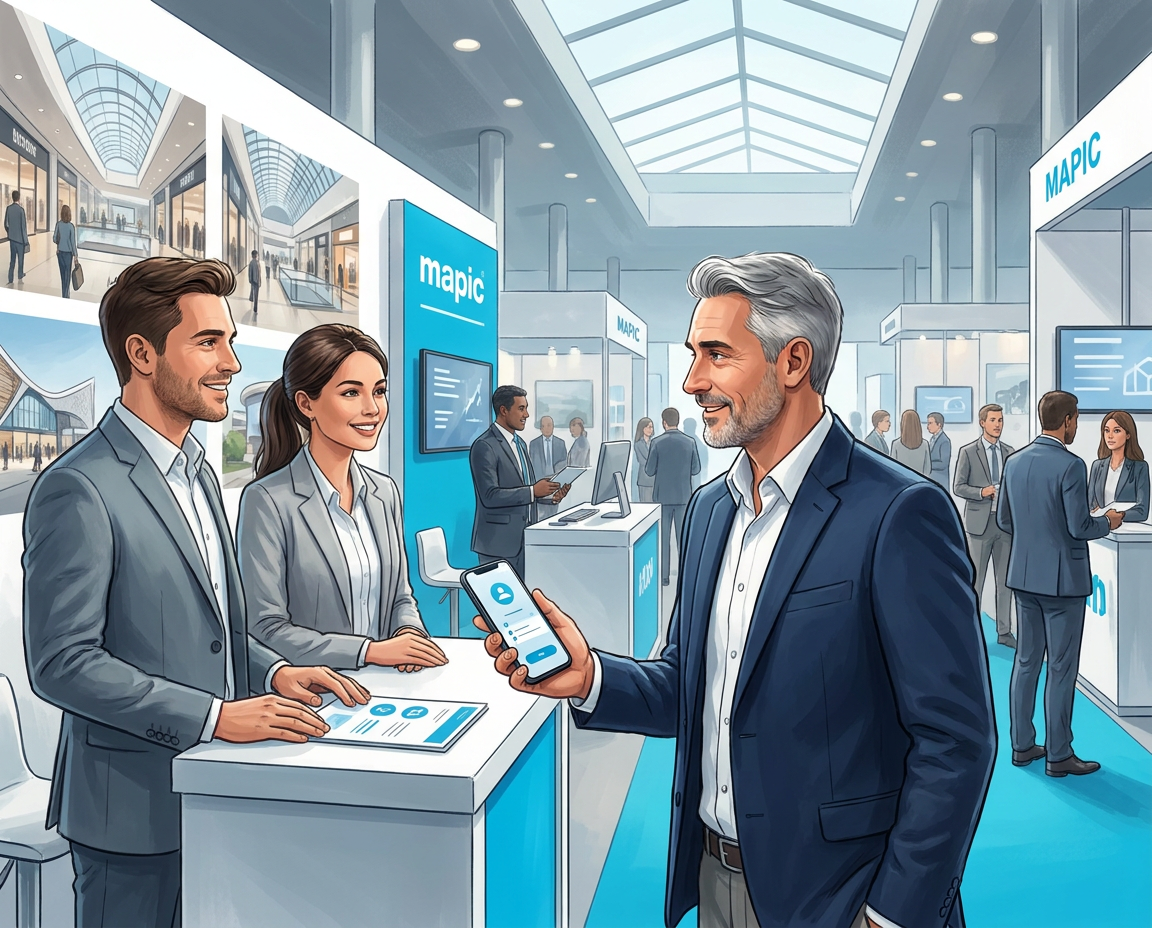
In the online application for scheduling meetings you send a meeting proposal. There is no response. What do you do? If you are at the fair, it is relatively simple. The company has an exhibition space, there is someone there with whom you can speak and you approach them. You may find out why there was no response. Perhaps the message was only one of many. At that moment it is more important that you have finally started talking.
What Happens After the First Meeting
October and November are again full of fairs, conferences and other events. Half a year ago I wrote in the 36th issue of Digital Disruptor about why at events you so quickly see whether interest exists and where the opportunity is then lost. Sometimes fifteen minutes with someone you have already spoken to before is enough. The real test comes after the event. If you do not get in touch within two or three days you can quickly become yet another forgotten business card. That is why it seems important to me that you contact them in time and do what you promised. If you promised a presentation send it. If you agreed on a call then call. It helps in the first message if you refer to what you learned at the meeting. The essence is first to listen where it bothers them and where they want to get to. From this you quickly see what is worth sending them. It is true however that often they do not know they have a problem or do not want to tell. You must steer the conversation so that you find out.
Later I am more for staying in touch with occasional meaningful notifications. This way people know what you are doing and where to find you when they need you. There is also room for calls and e-mail only the right measure must be found.
How to Get to the Conversation When There Is No Response
“Technology opens doors. But the relationship is what keeps them open.”
This was one of the concluding thoughts of the April article. This time I am writing about the step before that. What do you do when technology does not open these doors at all? How many e-mails invitations or LinkedIn messages do you receive in one week? I myself know that sometimes one gets lost among the others for me. Or I simply have no desire to answer automatically generated messages. Why would it be any different for the person on the other side?
At this fair I myself also started sending invitations quite late. When there was no response I went to the exhibition space. Sometimes it was more awkward for the interlocutor because of the unanswered invitation than for me because I came without an appointment. But after the first few sentences you quickly forget that. It is similar when on the company website you find only the general address “info@” and from there you receive no response. At the fair you can tell someone in two sentences why you came. If someone else is responsible for your topic you can find out to whom you should turn. Will that person answer? Perhaps. Yet you have a concrete reason to write to them and you can say who referred you to them. In this case the conversation at the fair gives you something you did not have before. The name of the right person and a starting point for the first message. At that moment I remembered the title of the April article.
“Business is still done live. Everything else is follow-up.”

Otherwise the list of people I wanted to meet was not long. With a few acquaintances I had already arranged meetings in advance therefore these unanswered proposals did not worry me too much. It was more interesting with those who did not have their own exhibition space. How do you find them among all the visitors? I asked people I already know. Perhaps someone knows the person I am looking for or knows someone who can connect us. And that is exactly how it was. I eventually reached some contacts I had been looking for in the application through people I already know.
When the Trade Fair App Saves You Time
I believe it would have been different if I had sent the meeting proposals earlier. A better online tool would also have helped. From the trade fair application I expect that I can quickly find the right people tell them why I would like to meet and coordinate a time with them without lengthy correspondence. When this works it saves me time and I head to the fair with several already scheduled meetings. If participants do not use the application or easily overlook invitations in it then it is worth looking at how many meetings the tool actually helped arrange. Especially if the organizer has invested quite a lot of money in it.
I myself am an advocate of personal meetings. When you sit at the same table with someone it is easier to understand what really interests them and what reservations they still have. Sometimes only with a certain question do you realize that you understood their message differently than intended. Of course there is not time for all these conversations. Digital tools help us find each other sooner coordinate the time and continue the conversation later even when each of us is at our own end.
When One Visit Is Not Enough

How much weight personal presence carries I saw again a few months ago in conversations about potential business in one of the Arab countries. In Europe and overseas I am used to being able to arrange much remotely after the first meeting.
This time I went on a visit and returned with the feeling that the matter would move forward. At first we were still in touch via the web then the conversations became rarer and rarer.
During that visit I saw that interest exists. After returning however I realized how much work is still ahead of us for this to become a deal.
From my experience in such cooperation it is often necessary to come a second or third time to get to know each other better and for the conversations to gain momentum. Even if we meet for the first time at a fair the next visit to them may be more important than all the messages we exchange in between.

Last year at the same fair I met a person with whom we quickly clicked. We talked a little joked a lot and since then we had hardly been in touch.
When we saw each other this year we immediately started laughing hugged each other and continued where we had left off last year. Again there was more joking than talk about business.
I do not know whether we will ever do business. Perhaps one day it will happen quite spontaneously. Perhaps he will introduce me to someone with whom I could cooperate or I will introduce someone to him.
Right in this is the charm of such meetings. You come to the fair with a few scheduled meetings then by chance you meet someone with whom you talk a year later as if you had last seen each other yesterday.
From First Contact to Trust
Personal meetings remain the essence of business. When you talk with a person live you can get to know them more easily understand what they need and begin to build trust. Digital tools help you establish the first contact and continue the conversation after the meeting. If however an invitation hangs in the application or a message remains without a response find another path to the person. Sometimes it is enough to step over to their exhibition space or ask a mutual acquaintance to introduce you.
Jurij Triller