Will We Know How to Remain Human?
What Artificial Intelligence Can Teach Us About Health, Nature, and What Makes Us Human.
“The only constant is change,” said Heraclitus more than two thousand years ago.
Today, we live in a time when artificial intelligence writes texts, creates images, assists doctors with diagnoses, helps students learn, and supports entrepreneurs in running their businesses. The world is changing faster than ever before.
Yet while most discussions focus on what artificial intelligence will change in technology and the economy, I find myself increasingly interested in a different question:
What will it change within us?
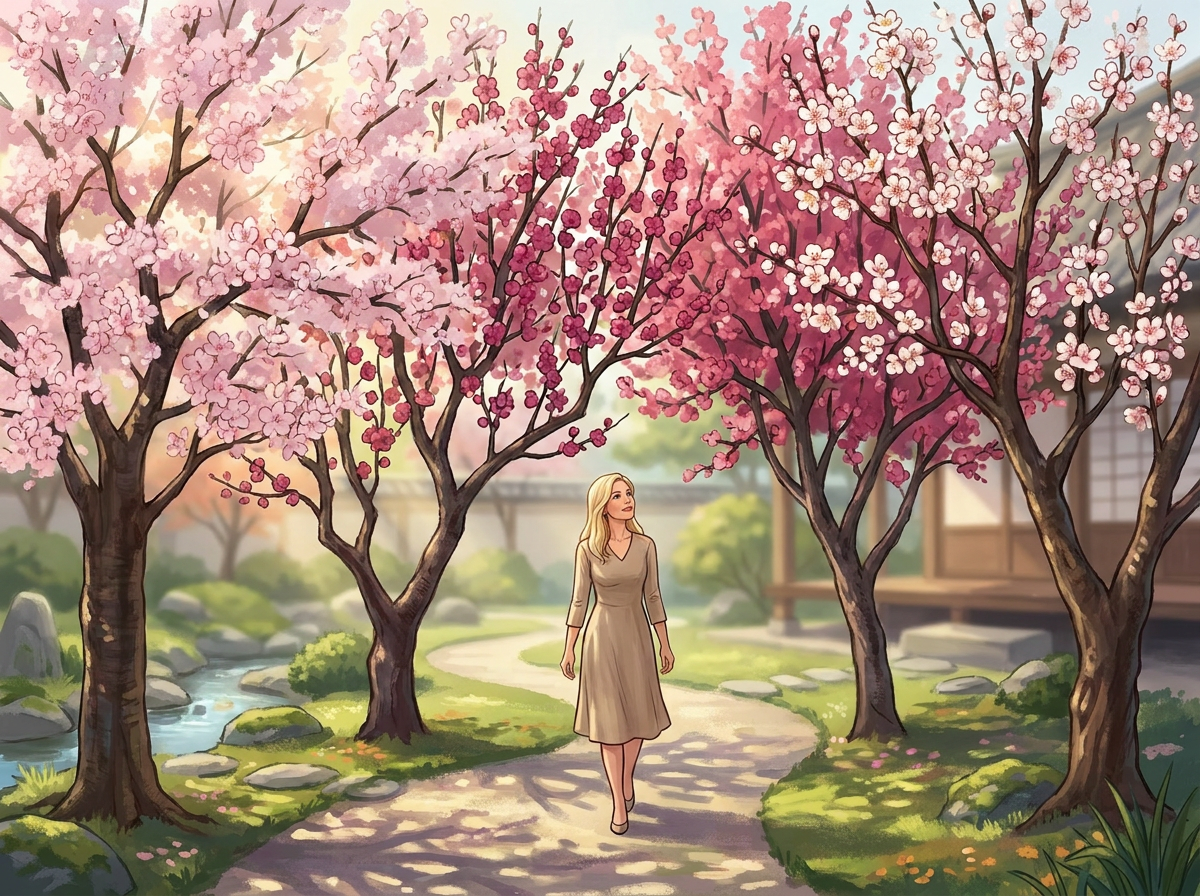
If we look back only a few years, we can see how much our habits have changed. We used to wait for answers. Today, we expect them immediately. We used to explore. Today, we ask an algorithm. We used to accept boredom as a natural part of life. Today, we reach for a screen the moment a few seconds of silence appear.
I do not say this as criticism. I use technology and artificial intelligence every day myself. That is precisely why I notice how subtly they have changed our relationship with time, attention, and patience.
What Data Cannot Measure
For the past few years, I have been living between two worlds.
On one side are forests, mountains, and the people I guide through nature-based experiences. On the other are data, analytics, digital systems, and artificial intelligence.
At first glance, these worlds could not seem more different. Yet they both teach me the same thing. People want to be seen. They want to be understood. They want a sense of belonging.
Today, data can tell us almost everything. What people buy. When they buy. What they respond to.
But there is one thing we still cannot measure.
How a person truly feels.
There is no dashboard that can show how lonely someone is. There is no algorithm that can measure how much a person misses a meaningful conversation. There is no artificial intelligence that can replace the feeling of belonging to someone or somewhere.
The Body Speaks More Slowly Than the Internet
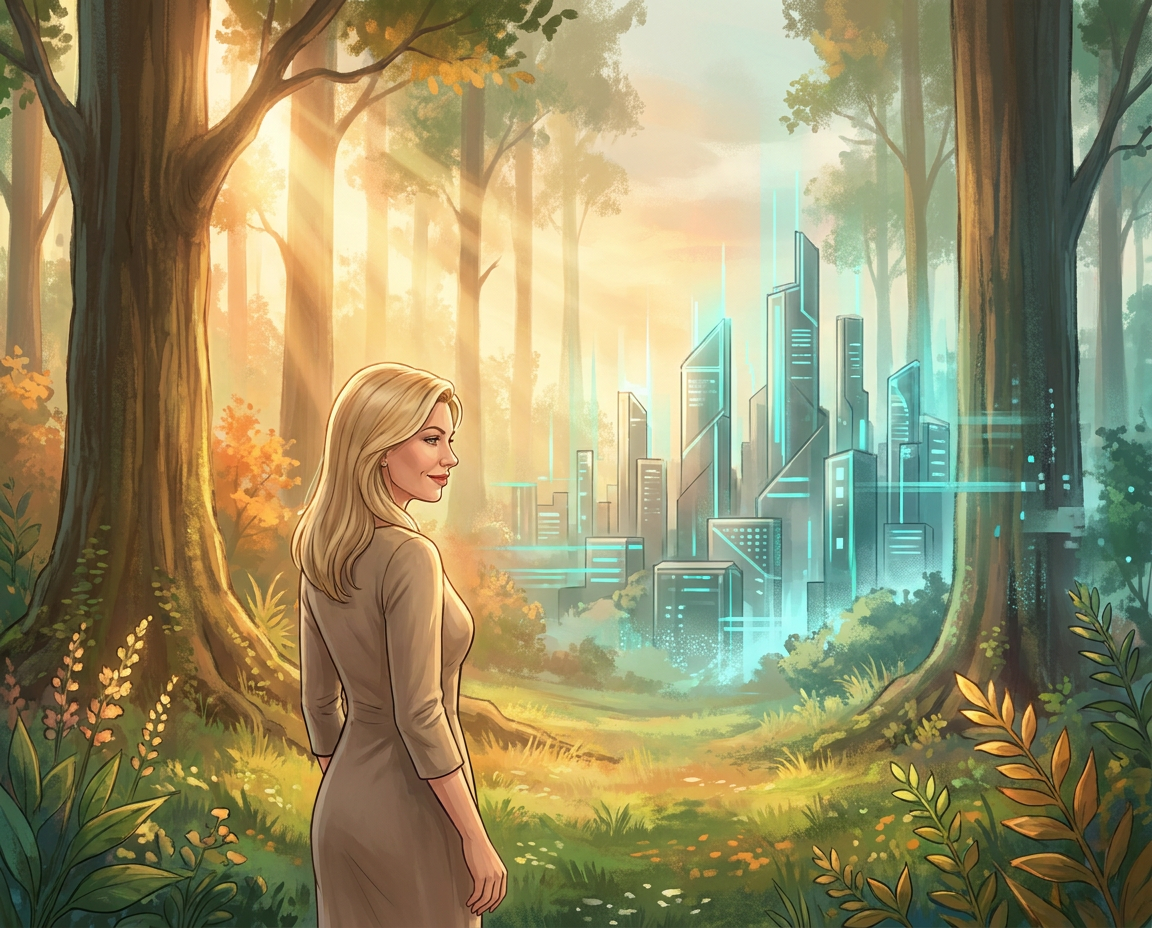
Last weekend, I spent two days in the mountains.
I watched the sunlight filtering through the treetops. In the distance, a cuckoo could be heard calling. The scent of elderflower and linden was stronger than any perfume we can buy today.
And I found myself thinking about how different the rhythm of nature is from the rhythm in which we live today. Perhaps this is the greatest misunderstanding of our time. The internet operates in seconds. The body operates in seasons. The internet wants everything now. The body needs time. The internet demands attention. The body asks for presence.
Our bodies do not care how many notifications we have. They do not care how many emails are waiting for a reply. They care whether we have slept. Whether we have breathed deeply enough. Whether we have laughed. Whether we have hugged someone. Whether, even for a moment, we have felt the sun on our face and the wind in our hair.
Perhaps the Greatest Luxury Will Be an Ordinary Life
I believe that artificial intelligence will soon know things that we cannot even imagine today. It will help us work faster. Learn more easily. Make better decisions. And that is a good thing.
But there are things it will not be able to do for us for a very long time.
It will not smell pine trees after a summer rain. It will not walk barefoot through the grass. It will not feel the warmth of another person's hand. It will not pause before a sunset and think that life, despite everything, is actually beautiful.
And it will not live our lives. That remains our responsibility. Perhaps in ten years, the greatest luxury will be precisely what we now take for granted. An hour without a screen. A walk without a destination. A conversation without rushing or technological interruptions. Silence.
Because while artificial intelligence learns how we think, our greatest task may be to ensure that we do not forget how to feel. And how to be human.
Final Thoughts
Technology can measure our health, but it cannot live our lives for us.
The smarter artificial intelligence becomes, the more valuable human experience will be.
The most important skill of the future may not be using AI, but preserving our humanity.
Mila Triller