
The Experience Era: How Retail Is Learning from Hospitality
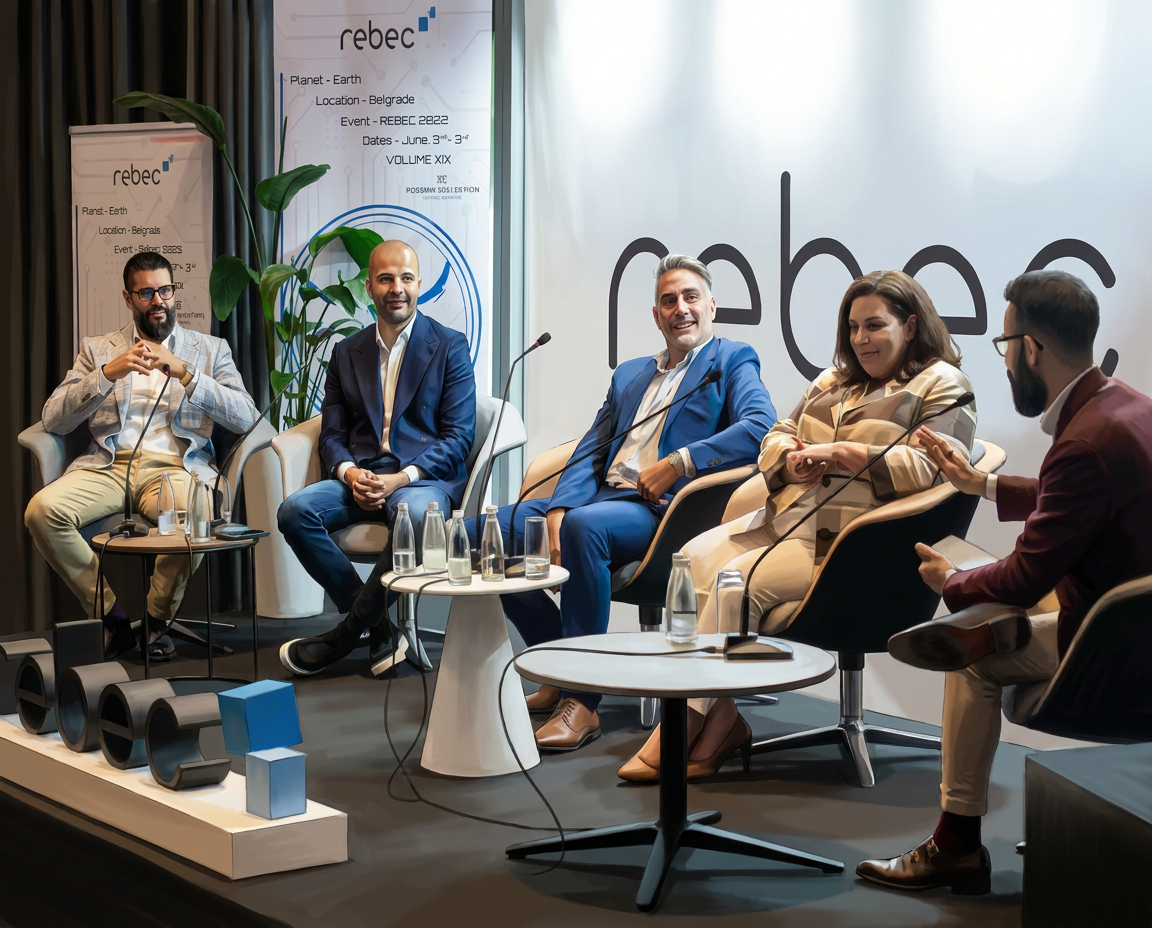
A new week, a new conference. This time, I was invited as a panelist to the REBEC conference in Belgrade, where the theme was “The Experience Era: Merging Retail and Hospitality.” The topic focused on connecting the worlds of shopping centers (retail) and hospitality or tourism. Personally, I would say that what we are really talking about is building destinations and ecosystems. And that is precisely our focus.
In the previous issue, I wrote about how destinations must breathe as a whole and how the transformation of retail is no longer happening only at the level of individual stores, but at the level of the entire visitor experience. I also mentioned that retail is increasingly adopting elements of hospitality and that customers are more and more often being treated as guests. This was, in many ways, the central theme of the REBEC conference in Belgrade.
From Customer to Guest
You might say that a customer and a guest are one and the same. They are, and they are not.
A customer arrives, makes a purchase, and leaves. A guest is treated differently. We do not yet know what they will buy, or even whether they will buy anything at all. Therefore, we first need to attract them, understand them, and give them a reason to stay.
People want to be understood. They want a better approach, and they want to feel that someone truly understands them. After all, shopping habits are changing. And this is something that has long been part of hospitality.
This year, REBEC was held for the nineteenth time. The conference lasted two days. The first day was dedicated to hospitality, while the second focused on retail. The topics were broad but closely connected to these two sectors. There were many speakers, and the discussions were of high quality. Our panel was scheduled at the end of the program. From the perspective of audience attention, this may not have been ideal, but on the other hand, it served as a conclusion that connected both industries.
A Shared Vision Creates a Destination
Before the panel, we discussed what message we wanted to convey and what common ground existed between such different industries. On one side were hospitality professionals; on the other, retail representatives. Very quickly, however, we realized that we were talking about the same things: vision, collaboration, understanding the guest, and data that helps us make better decisions. All of this is united by a common goal — creating an environment where guests feel comfortable and want to return. Of course, nobody wants to run a charity. Profitability remains important. The question is at what cost and how quickly.
This is the essence of an ecosystem, or destination. Destinations cannot all be the same, and that is exactly how it should be. There is no such thing as a copy-paste project. You must understand the environment, the people, and the stakeholders who help shape the destination. In the end, it does not really matter whether we are talking about a shopping destination or a tourism destination. What matters is having a shared vision, a common direction, and collaboration among everyone involved in creating that destination.
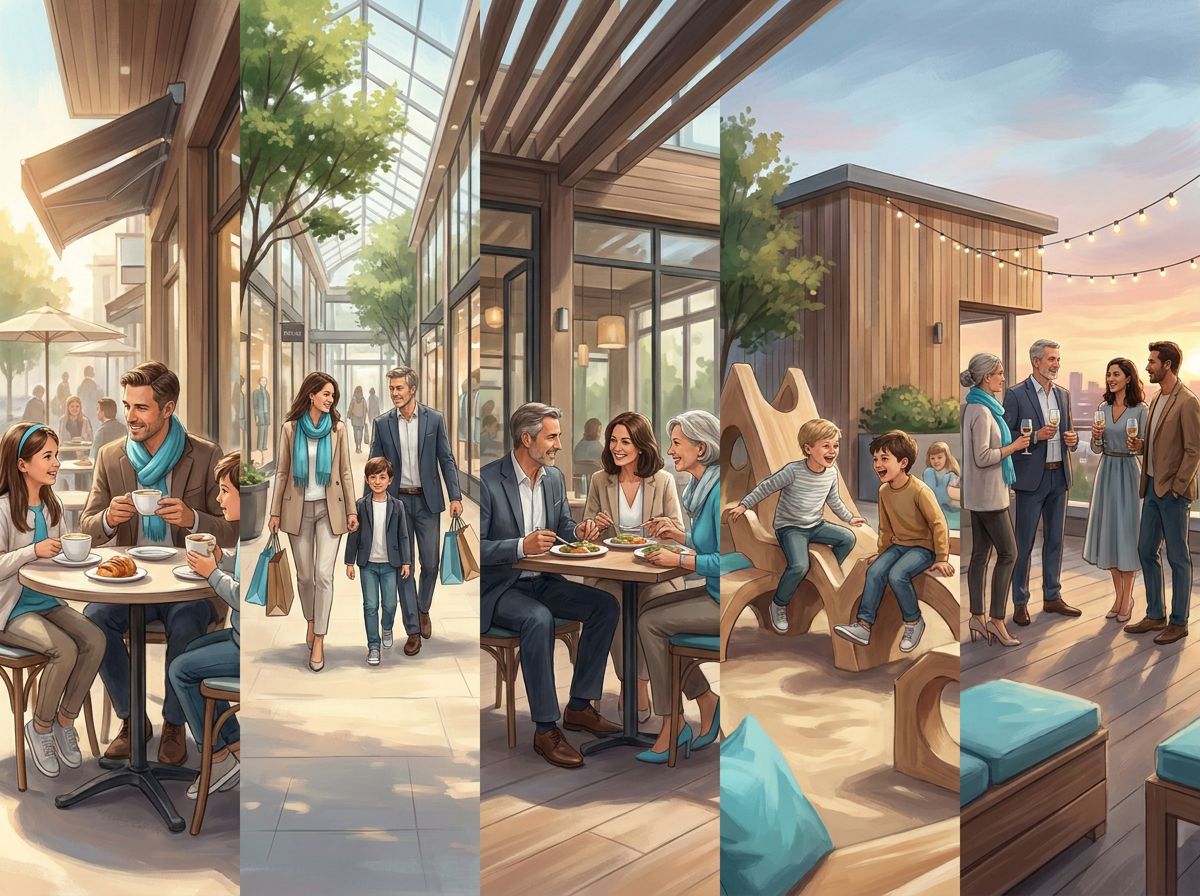
In my previous article, I also wrote that a destination must breathe as a whole. If everyone pulls in a different direction, visitors will quickly notice. If all stakeholders work in harmony, the experience becomes entirely different. And that is increasingly becoming a competitive advantage.
Guests are becoming more demanding. They increasingly ask themselves: “What’s in it for me?” The more value they find in a visit, the longer they will stay. The longer they stay, the more they will explore, experience, and, generally, spend. Not because they are being pushed to do so, but because the destination provides enough reasons.
Guests Arrive Better Prepared Than Ever
Technology makes our work easier, but at the same time more challenging.
It makes things easier because we can work faster, connect more data, and better understand visitor behavior. At the same time, technology empowers guests as well. They can quickly find information, compare offers, check competitors, and prepare thoroughly before visiting.
Shopping has long ceased to exist solely in physical spaces. A large part of the customer journey takes place beforehand. We research online, compare options, and search for information. When we cannot make a final decision, we want to see, touch, test, or experience a product in person. That is when we visit the destination.
This is why it is so important to understand why a guest came in the first place. What are they looking for? What are they expecting?
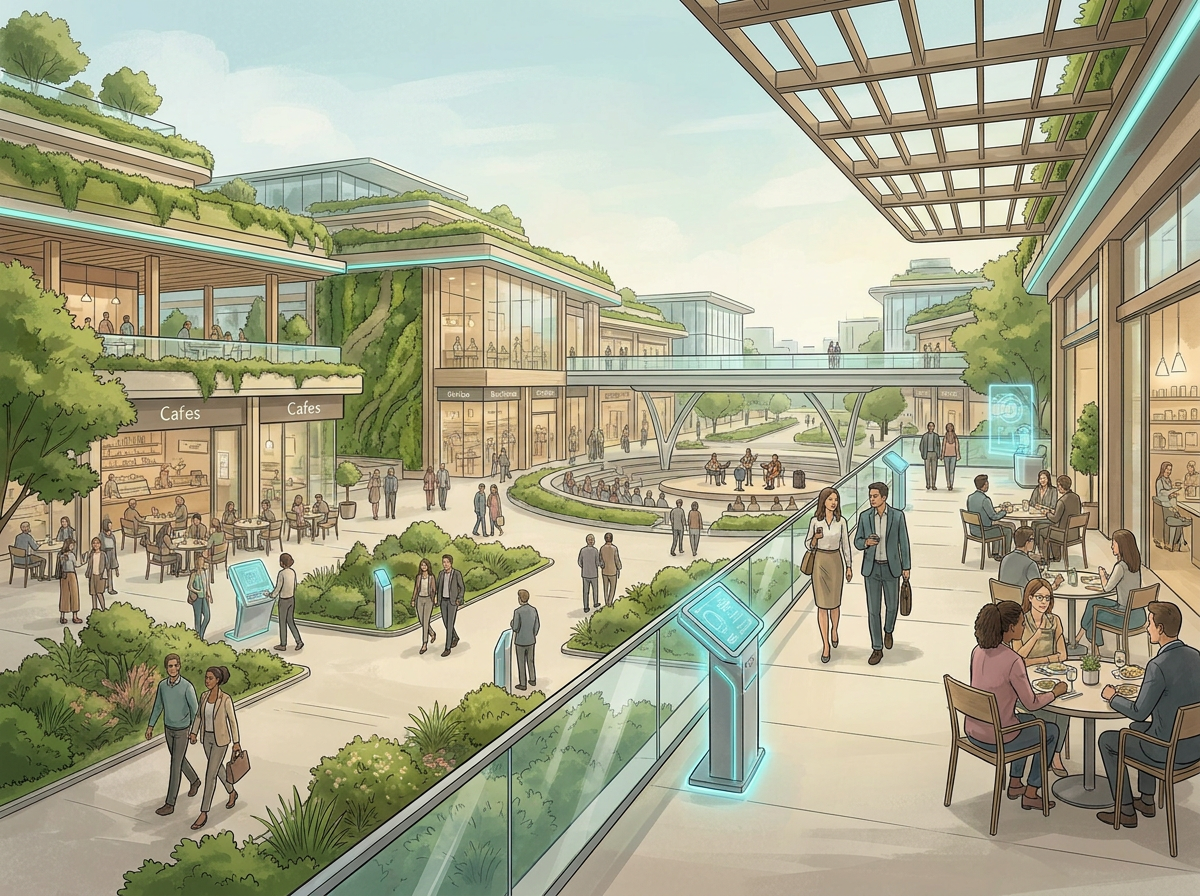
Another thing that guests almost always check in advance is ratings and reviews. This has been a standard practice in hospitality for a long time, and today it is gradually becoming important in retail as well. Perhaps not yet at the level of individual stores, but certainly at the destination level. If something is poorly rated, we will look for alternatives. If a guest is dissatisfied, they can very quickly share their opinion online.
It has always been true that a dissatisfied customer or guest can cause significant damage. On the other hand, a well-resolved complaint can create a more loyal customer than an ordinary positive experience. To some extent, this remains true. However, times have changed. Social media is faster. We all carry smartphones in our pockets. Reactions are immediate. At the same time, there seems to be less patience and less empathy among people.
Technology Helps, but People Create the Experience
In recent years, we have talked extensively about data, automation, digitalization, and, over the last year, artificial intelligence. All of these are important. Today, it is difficult to imagine the future development of destinations, retail, or hospitality without them. But technology alone will not create a better experience.
Technology can help us understand guests, connect data, and make better decisions. It cannot create a sense of welcome, trust, or belonging on our behalf.
That is why I believe the greatest transformation taking place in retail today is a change in mindset. We are no longer talking about how to sell something to visitors. We are talking about how to create an environment where they feel comfortable and want to return.
A few years ago, we spoke primarily about customers. Today, we increasingly speak about guests. And while transactions may once have been the most important thing, today the experience is what matters most.
The destinations of the future will not succeed because they have the most stores, the best technology, or the largest marketing budgets. They will succeed because they understand their visitors better than anyone else.
Jurij Triller