
A vacation we need to prepare for from within as well
Summer usually comes with the promise that we will finally slow down.
I hope that the most stressful decisions about choosing a vacation are now already behind us. Where to go? The sea or the mountains? A hotel or an apartment? Crowds or peace? How hot will it be? Will there be shade, mosquitoes? If you have solved those questions, I have one slightly harder one for you. Are you planning to truly rest, or will you simply move to another location, with the same tiredness and the same thoughts?
Because a vacation often begins long before we set off on our journey. It begins with comparing, searching, booking, reading reviews and trying to make the best possible decision. And already there, we sometimes get tired.
Today we have more information than ever before. We can check the weather forecast for the next year, traffic jams, air quality, beach occupancy, restaurant ratings, accommodation availability, altitude, the difficulty of a hiking trail, reviews from other guests and photos of every place we intend to visit. And that is a great advantage.
Digitalization can help us in that sense to choose more wisely. To avoid the greatest heat. To not end up in the worst crowd. To find a quieter route, local food, water, transport, a safe trail or a place that suits us better. Data can help us make our vacation less stressful and more aligned with what we truly need.
But there is a moment when information stops helping and starts exhausting us. Such as one more review, one more comparison, and then one more app. One more map, with layers, without... One more weather forecast, or several of them until we choose our own. One more post by someone who, at least on the screen, chose a more perfect place than we did.
And then it can easily happen that we no longer plan a vacation in order to rest, but in order not to make a mistake, to be sure that we have chosen the most optimal option we can.
When vacation becomes a project
Sometimes it seems to me that we have also turned vacation into a small project. Not because we want to, but because the digital world allows us to know, check, compare and organize almost everything in advance.
Before the trip, we research. During the trip, we check. After the trip, we post. And in between all of that, we try to rest.
But the body does not rest because we planned the vacation well. The body rests when it feels safe, when it does not have to constantly react, when it does not have to make a thousand small decisions and when it can finally move into a slower rhythm.
That is why today, alongside the question of where we are going, another question seems increasingly important:
How do we want to feel when we are there?
Do we want more content or more space? More attractions or more peace? More photos or more presence? Do we want a place where we will “complete” something every day, or a place that will help us catch our own rhythm again?
Three days of Velebit
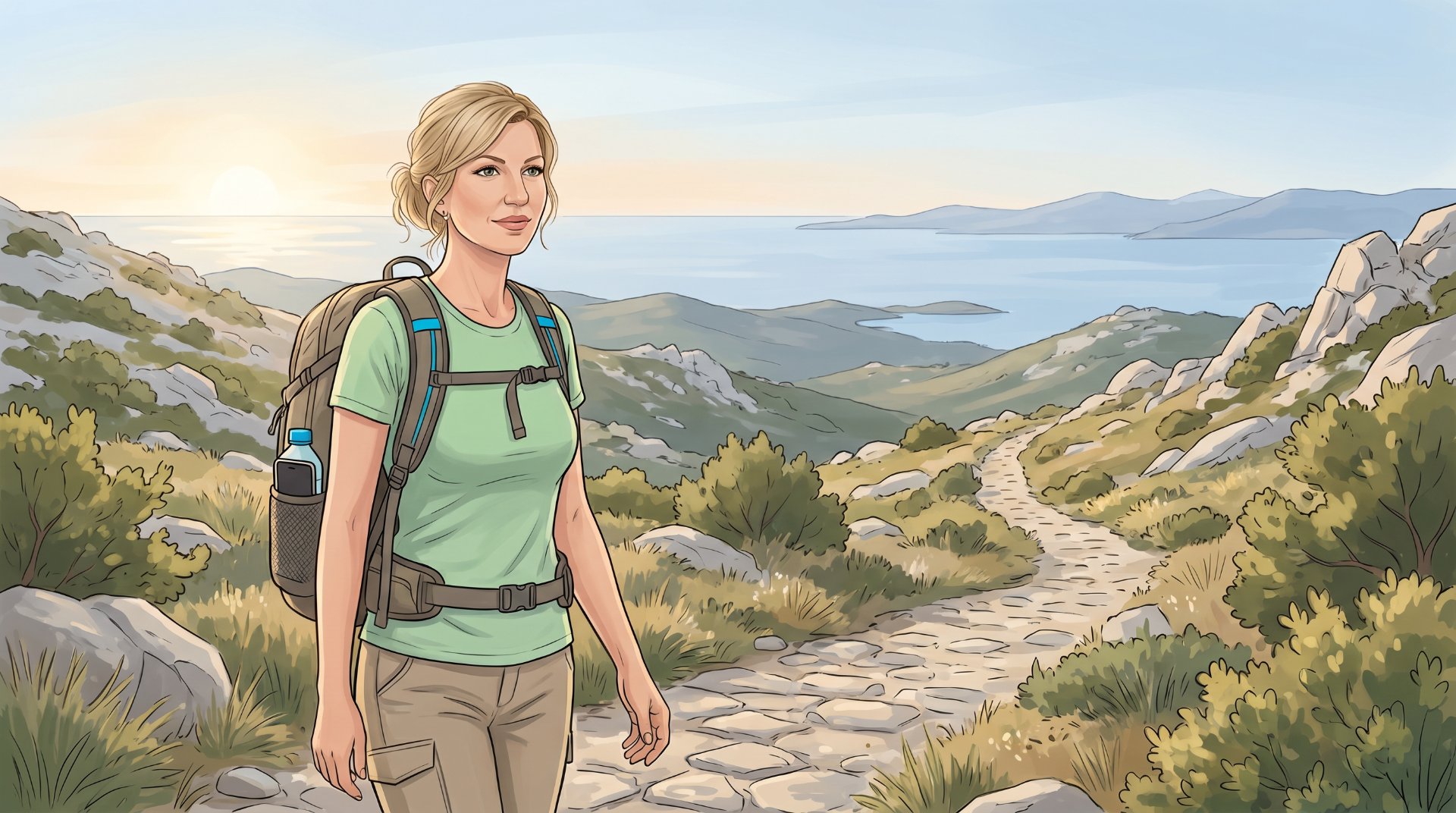
Last weekend I spent three days on the Premužić Trail. Unplanned, as a mini vacation. Without a computer. With a weak signal. Without constant availability. Without endless choosing. Just the path, stone, forest, view, tiredness, water, silence and people who live or work there.
At first glance, that may not sound like a vacation in the classic sense. There is no sun lounger, no pool, no air-conditioned room where you can hide from everything. There is walking. There is sweat. There are moments when the body clearly says that it cannot continue at the same pace anymore. But I found value and meaning in that.
On Velebit, a person does not rest by making all tiredness disappear. They rest by letting tiredness finally become natural. Physical. Clear. Understandable. And a completely different kind of tiredness from the one we feel after a workday in front of a computer. Digital tiredness often has no form. We did not walk, yet we are exhausted. We did not carry a backpack, yet we feel the weight. We did not climb, yet our head is full.
The mountain simplifies that tiredness. Step. Breath. Water. Pause. Food. View. Continue when you can.
Digitalization as preparation, not as a companion of every moment
Of course, going to Velebit, the sea, an island or any other destination does not mean that we should reject technology. Quite the opposite. Smart use of information can be part of caring for our health.
Before the trip, it is worth checking what awaits us and in that way preventing stress, wrong decisions and unnecessary exhaustion. But after the information has done its job, we should allow it to withdraw. Because if we spend the entire vacation checking whether we chose the best option, we miss the very thing we went there for in the first place.
How to prepare for a vacation
Maybe we do not prepare for a vacation only by packing suitcases. Maybe we need to prepare from within as well.
The first step is to honestly admit what we need. Not what looks good in a photograph. Not what everyone recommends. Not what “should” be a real vacation. But what our body and mind truly need this year.
If we are exhausted, maybe we do not need seven cities in seven days. If we are overheated from work, maybe we do not need even more crowds and noise. If we are constantly available, maybe we do not need a destination where we will again track, scan, book and confirm everything. If we have drifted away from ourselves, maybe we need less planning and more space.
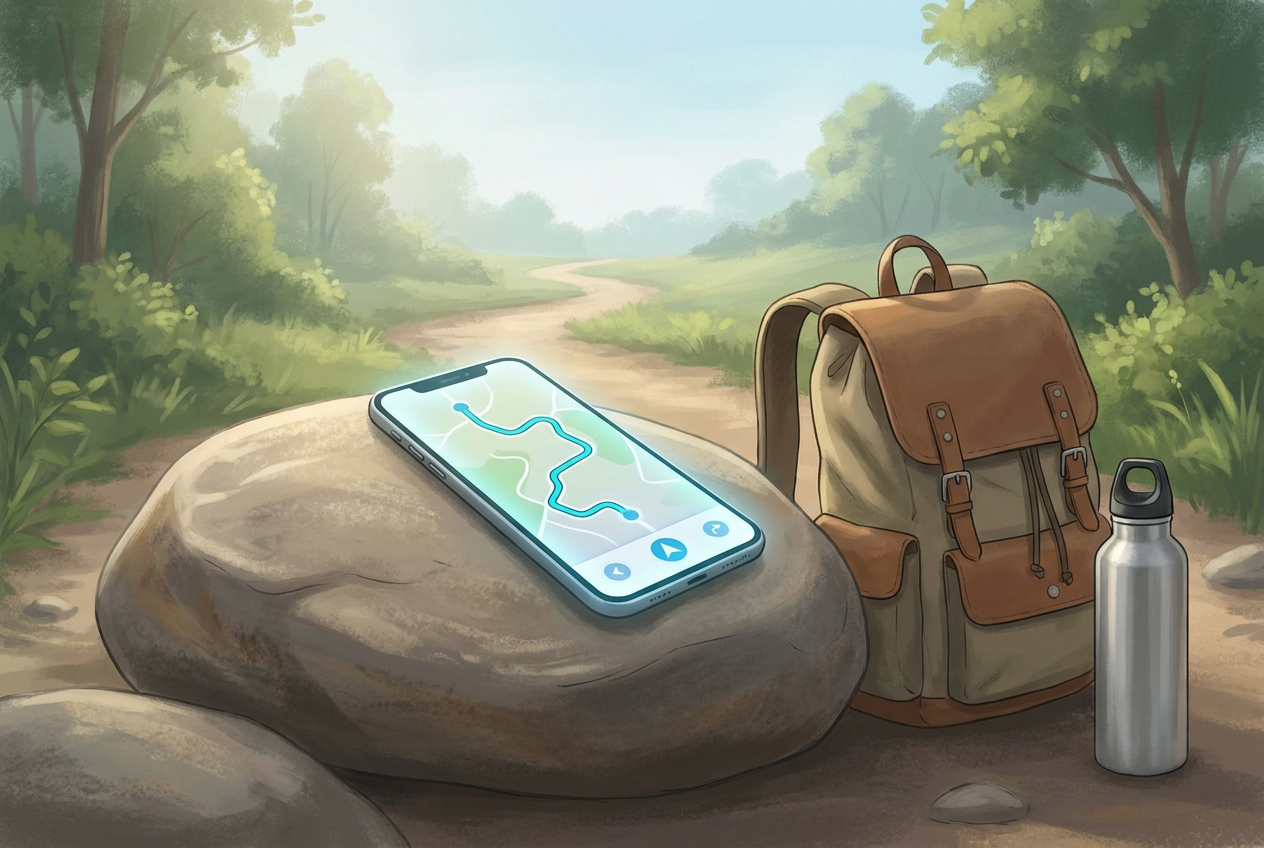
The second step is to use data before the trip, not all the time during the trip. It is good to check the forecast, traffic, safety, routes and basic information. It is good to have a map, contacts and a plan B. But we do not have to hand over every meal, every beach and every moment to other people’s reviews.
The third step is an agreement with work and the people around us. If possible, let us say in advance when we are not available. Set an automatic reply. Agree who may call us only if it is truly urgent. Not because we are running away from responsibility, but because the body cannot rest if it is constantly waiting for an interruption.
The fourth step is to leave a little empty space. One part of the day without a plan. One morning without an alarm. One walk without a goal. One meal without taking photos. One moment in which we are not looking for what comes next.
The fifth step is to allow ourselves that vacation does not have to be perfect. Maybe it will be hot. Maybe there will be crowds. Maybe not everything will go according to plan. Maybe for the first two days we will still feel tired. That does not mean the vacation failed. Maybe it only means that the body is still trying to arrive where the calendar has already arrived.
In conclusion
Technology can help us choose a vacation better. It can show us crowds, routes, weather, safety, accommodation, restaurants, trails and options we might not have found on our own. It can help us avoid heat, excessive crowds and unnecessary wandering.
But it cannot rest instead of us.
It cannot feel the cold morning air instead of us. It cannot walk the trail instead of us. It cannot recognize instead of us the moment when our thoughts have finally quieted down a little. It cannot decide instead of us that a message that is not urgent can wait. That remains our job.
Maybe this summer we do not need a perfect digital detox. Maybe we only need to use information more wisely before the trip and allow it to guide us less during the vacation.
The best vacation is the one from which we return a little quieter, a little more present and a little more ourselves.
Mila Triller