Is This Why You Are Afraid of Digitalization?
In our work, we quite often encounter people who reject digitalization almost categorically. For the most part, these are individuals who bet on proven approaches, or people who like to say: “You know, we still do everything the 'old way' here—with a guest book and by hand. We are proud to be, as they say, old school.”
These types of entrepreneurs are generally all convinced that digitalization is inherently cold and impersonal, and that it inevitably strips a business of its authentic, homegrown charm.
The next moment, while listening to these romantic descriptions of analog notebooks and records, Kevin O'Leary always comes to my mind. In the business world, he is better known as "Mr. Wonderful"—probably the most recognizable panel member of the popular American entrepreneurial show Shark Tank , for those who might not know it. It is a TV show where ambitious entrepreneurs step before a group of seasoned billionaires and investors in the hope of securing much-needed funds to expand their business.
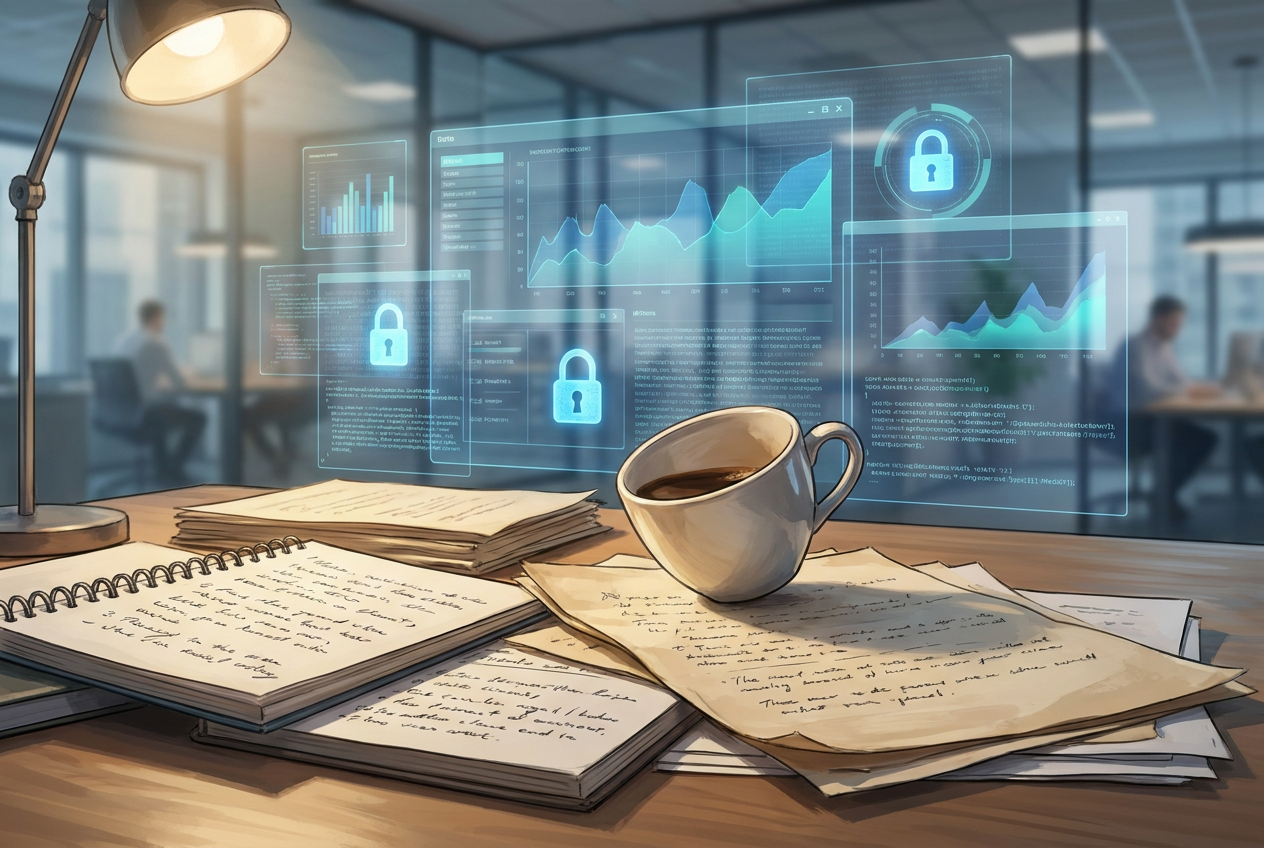
Thus, I can vividly imagine a person stepping before this strict panel, trying to convince the 'sharks' to invest in a company run in this described "old school" manner. Mr. Wonderful would likely shoot back immediately: “Great! But what if the person who takes care of your customers in this wonderful analog way, and holds all that information in their head, gets hit by a bus tomorrow? What if your indispensable notebook simply disappears—God forbid, gets destroyed in a fire or lost in some natural disaster?”
In Shark Tank , such a guest usually just stares blankly at the floor. They cannot offer a truly valid, long-term sustainable answer (especially if they want to scale their business). And this is precisely where we clash with the first major advantage of digitalization in the field of customer relations: data security . When you establish a digital data repository, crucial information about your customers is no longer exposed to the dangers of natural or other disasters. Nor does it depend on the mere fact that an excellent employee—who until now was the heart and soul of your customer relationships—might suddenly leave you for one reason or another.
The letter from the President
But the second point is even more important, and it directly addresses the fear of losing that "personal charm." This often brings to mind an experience from entirely analog times. I am fortunate enough to belong to the generation that grew up during that era—all of us who cried our way into the world a decade or more before the turn of the millennium. My first association with personalization back then is connected to a subscription to National Geographic magazine. At the time, it represented the absolute pinnacle of premium quality, scientific depth, and aesthetic prestige. As an aspiring young boy, their approach to subscribers made a particularly deep impression on me. I will never forget how, from time to time, the CEO of the magazine would write to me personally—with his personal signature proudly displayed at the bottom of the elegant letter.
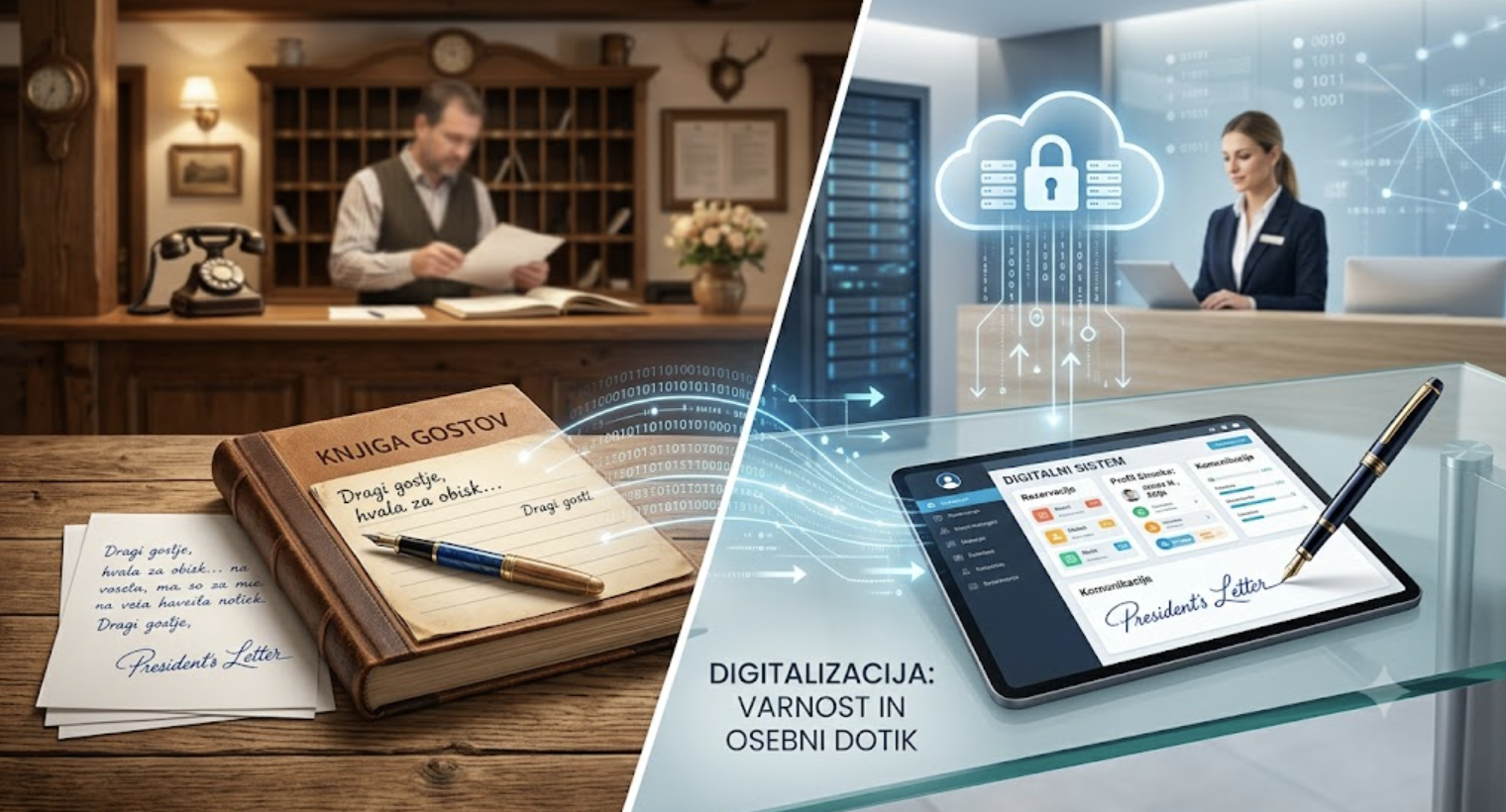
Of course, the CEO did not hand-sign every single sheet of paper. I was aware of that, even though I was young, but the feeling was still great. In the analog era, this feat was immensely more difficult to execute logistically and financially than it is today.
And that is the key point we too often overlook: real digitalization does not look like digitalization at all! No, in practice, it works and looks exactly like that seemingly handwritten letter—everything remains warm, personal, and tailored. The guest or customer still has the distinct feeling that the owner knows absolutely everything about them, understands their wishes, and appreciates their loyalty. But with a vital, strategic difference—a digital system enables the exact same premium approach to an incomparably larger number of customers simultaneously, with zero risk of this approach being lost in the event of an unexpected incident.
The Beer Challenge
So, digitalization is no boogeyman. To conclude, let me illustrate this with an anecdote about a former classmate of mine. He was a massive beer enthusiast and would always confidently claim that beer from a certain brand was terribly bad, while another was downright excellent. One day, when we had had enough of his grand philosophical musings, we ran a simple test: we poured beer from the very same bottle into two completely identical glasses (after blindfolding him first). After some serious tasting, he triumphantly pointed to one glass and declared it premium, while dismissing the beer in the second glass as p...@...s! Understandably, his assessment was met with roaring laughter, as it was the exact same beer in both glasses!
And the moral of the story? True, perhaps about 5% of people would notice it was a "hoax" or a trick, but the remaining 95% would react exactly as he did—guided by their subjective feeling and the conviction that they are right.
It is exactly the same in the field of digitalization. If the system is set up correctly, thoughtfully, and with intuition, people will not notice at all that behind a message—which feels completely tailored to them—lies an advanced digital system rather than the attentive hand of the host. However, the guests will undoubtedly be thrilled by the attention and the level of service they receive.
Ultimately, you face a simple choice. You can continue to tremble at the thought of someone spilling coffee over your precious analog notebook filled with contacts and information about your valued guests, or you can allow technology to quietly labor away in the background while you take all the credit for an authentic, 'old school' approach.
Boštjan Belčič