Do You Have a Lifeboat?
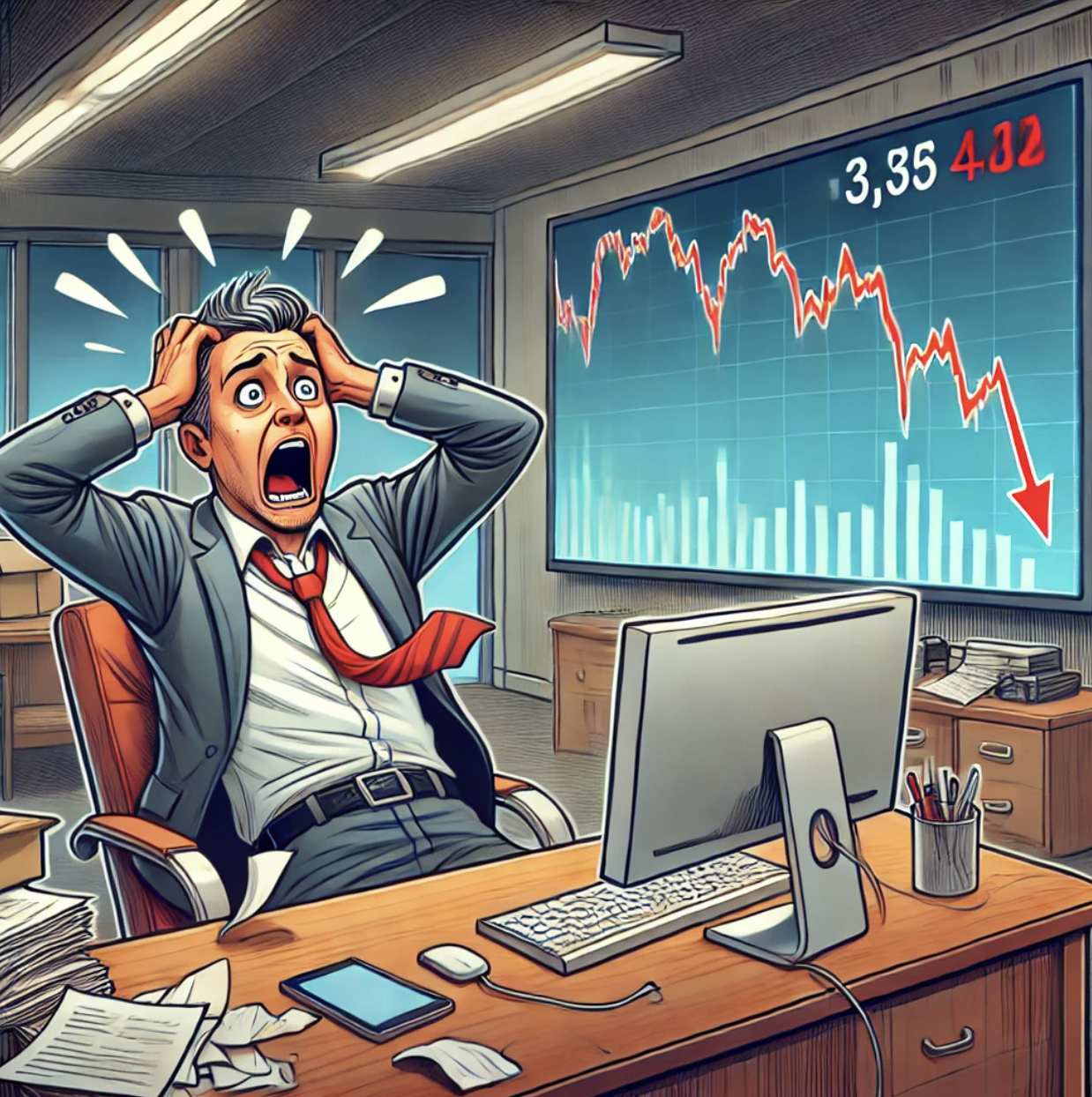
If you’ve been paying attention, you’ve probably heard about the recent crash in Japan’s stock market. A couple of days ago, the Tokyo Stock Exchange experienced its biggest drop in over a decade.
The Nikkei index plummeted by more than 10%, wiping out billions of dollars overnight. This sharp decline triggered a wave of panic across global markets, with investors selling off their shares en masse. The effects were felt far and wide, as European and American markets also experienced significant drops.
Fortunately, this wasn’t a repeat of the 2008 disaster that followed the collapse of major U.S. banks like Lehman Brothers and Bear Stearns. Back then, the global economy plunged into a recession that spared no part of the world.
$639 Billion Evaporated
When Lehman Brothers collapsed in 2008, it dragged $639 billion in assets down with it, and the Dow Jones fell by 777 points in a single day—at the time, the largest single-day drop in history. Bear Stearns, another financial giant, also crumbled like a house of cards. People lost their jobs, homes, and savings. In Europe, we watched from a distance for a while, thinking we might escape the catastrophe.
In the early stages, everything seemed to be running smoothly. People and businesses were still operating on 'autopilot.' There was still plenty of money in the system—actually, there was a lot of it. Customers were still buying, and companies were operating without much effort.
The crisis wave took a few months to cross the Atlantic, but when it arrived, it hit very hard...
Companies that were used to the 'fat cow' times suddenly found themselves in trouble. Overnight, customers ‘tightened their belts.’ The customers were gone, but the costs remained. Many were left wondering what the hell had happened?!
Today, the world is even more interconnected. One moment you’re enjoying the summer sun, and the next, you could be caught in a perfect storm. If you’re not prepared for such an event, the crisis could be fatal for you.
Are You Ready for the Next Storm?
At sea, even an amateur sailor knows not to leave the dock without life jackets. But in the business world, this aspect is often neglected. Especially by entrepreneurs who neglect their customers and rely on inertia in their business dealings.
Experienced business people, on the other hand, think long-term. They know how to establish and maintain systems that allow them to reap rich rewards in times of abundance and successfully withstand challenges during crises while their competition sinks.
If lifeboats and life jackets represent such systems at sea, in business, they are the relationships you build with your customers.
When the seas get rough, it’s the loyalty, trust, and relationships you have with your customers that will keep you afloat. Don’t wait for the next storm! Start building those relationships today. Make sure you’re not just another company they do business with by chance. Be the partner that customers trust.
Boštjan BelčičLet's connect