Business is still done in person. Everything else is follow-up.
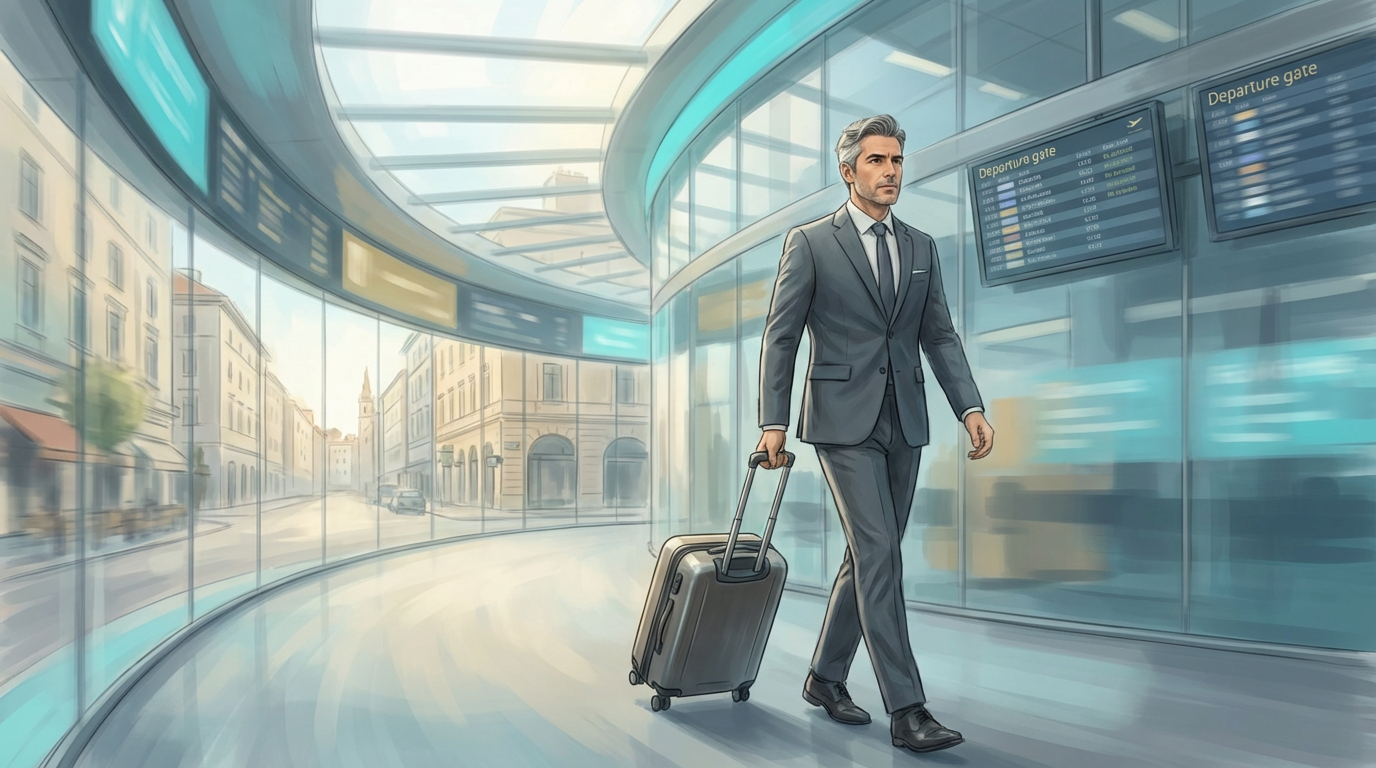
Spring is awakening, the end of winter’s sleep. Yet my thoughts are on business events. This week I was in Sarajevo, next week I will be in London, in three weeks in Croatia, in five weeks in Milan, and most likely in six weeks in Belgrade.
From the outside, it may all look like constant travel from one city to another. But in reality, it is not about events. It is about access to people, information, and moments that digital channels simply cannot replace.
Why events still matter
And of course, many of you will say – you don’t have to attend all of these. Yes, that’s true. But I have two reasons for it:
Most events take place from the second half of March to the end of June, and from the second half of September to the end of November.
It is still true that business is done at events. And it truly is. The number of contacts and the beginning of relationship-building is incomparably higher than trying through cold calls. At events, you have people in front of you, you look them in the eyes, and you can very quickly sense whether there is interest or not.
We often hear that digital has replaced physical interactions. The reality is quite the opposite – the more digital channels there are, the more valuable personal contact becomes. Because rarity becomes an advantage.
Of course, this is only the opening of business, still far from closing. But on the other hand, if you already have a lead, events are an opportunity to reconnect. Even if only for 15 minutes. But without almost immediate follow-up, the chances of success quickly decrease.
Where business is actually lost
Most business opportunities are not lost because of a poor product or price. They are lost in the time between the first contact and the next step. Where a relationship should take shape, it remains just another forgotten business card.
The same applies to building relationships with customers in the B2C space, particularly loyalty programs. When you manage to get someone to sign up, that is only the beginning. Why do customers later lose interest? Because the follow-up is not fast enough. If, after two weeks, you send a generic newsletter or an offer that is the same for everyone, simply because you do not have the data to segment, it will not deliver meaningful results.
Today, a “loyal customer” is no longer someone who simply buys frequently — but someone who consciously returns, understands the value of the offering, and actively chooses a relationship with a brand or destination.
From data to relationship
The difference today is no longer who has a loyalty program. The difference is who knows how to turn data into timely and relevant communication.
The biggest paradox of our time? The more data we have, the fewer relationships we know how to build.
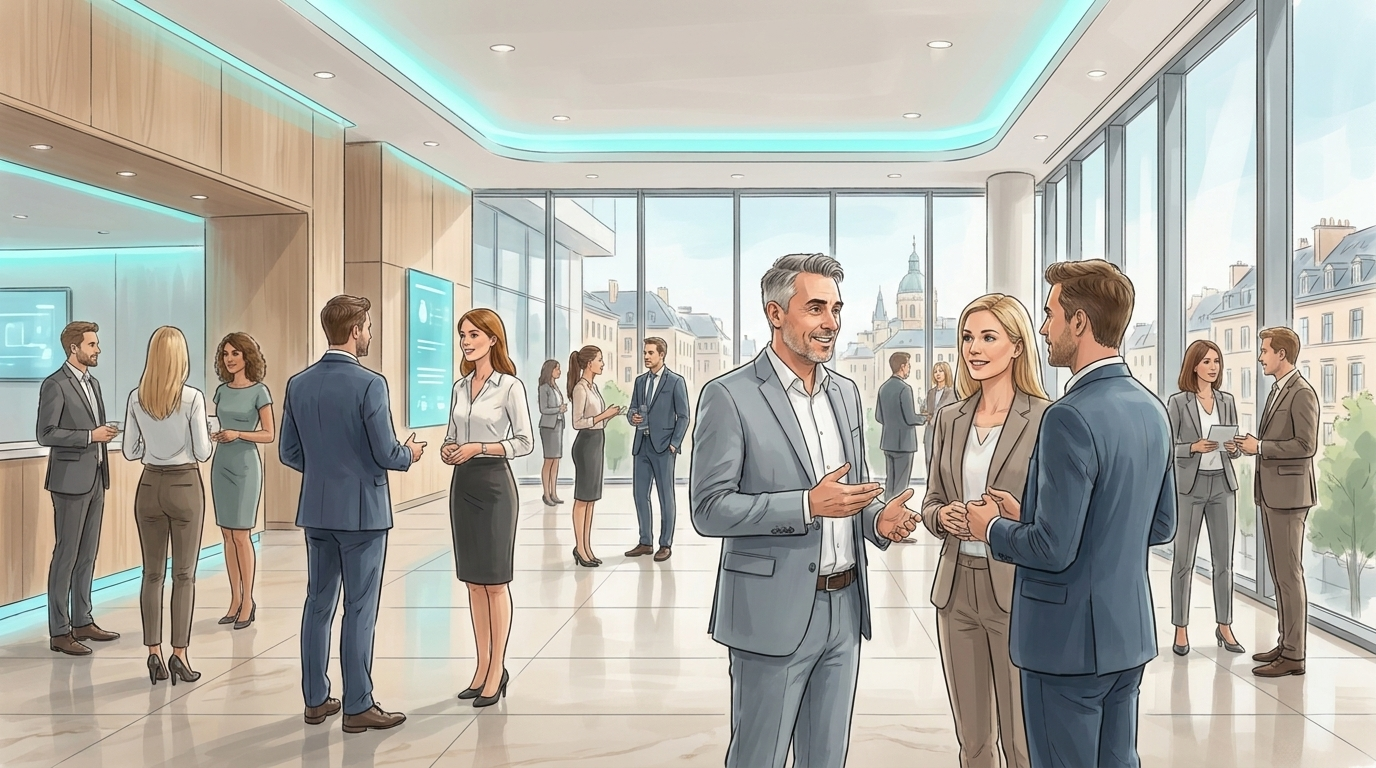
The same applies to business. You need to understand what a potential client has, what they want. What their pain point is, what their need is. And if you are prepared, you can open doors wide at events very quickly. This gives you a much easier entry, but you must be fast enough so those doors do not close.
If I simplify it, it always comes down to three things:
– what they have today
– what pains them
– where they want to go
If you can connect these at the right moment, the conversation turns into an opportunity.
When you understand the need, doors open
In Sarajevo, at a retail conference, I was invited to attend a panel titled Maximizing Property Revenue Stream. One of the panelists was also the director of Arena Center Zagreb. Before our gift card solution, they already had another solution. Why did they choose us?
It was not about price. It was not about functionalities. It was about speaking the same language – a business language, not a technical one. They knew exactly what they wanted, and we understood their need. And that was it.
In both B2C and B2B, you must understand the need. You must provide support so the client feels comfortable and trusts you. But that is only one side. The other condition for success is that without support that understands the software solution and at the same time understands the client’s needs, there is no point in having the solution at all. And I fully agree with that.
When someone publicly praises you in front of an audience and highlights this as the reason for cooperation, you receive confirmation that you are on the right path.
And perhaps that is the biggest lesson – whether in B2B or B2C. Technology opens doors. But relationships are what keep them open.
In a time of automation, AI, and endless digital channels, one thing remains unchanged: people still do business with people.
Jurij Triller